A delayed flight can throw your travel plans into chaos, whether you’re heading off on a long-awaited holiday or trying to get home after a weekend away or a business trip. But if your easyJet flight arrives late, you could be entitled to compensation, and making a claim is probably easier than you think!
Under UK261 or EU261 passenger rights rules, eligible travellers can claim compensation for certain flight delays. Here’s how to check whether you’re entitled to money back, how much you could receive and how to make a claim against easyJet.
Step 1: Are eligible for compensation from easyJet?
Before submitting a claim, check how late your flight arrived and what caused the delay.
Generally, you may be entitled to compensation if:
- Your flight arrived at its final destination at least three hours late.
- The delay was caused by circumstances within the airline’s responsibility.
- Your flight falls within the scope of UK261 or EU261 passenger rights rules.
Importantly, the relevant time is when you arrive at your destination, not simply how late your flight takes off. Arrival time is generally measured when at least one aircraft door opens and passengers can begin leaving the plane.
The rules that apply depend on your route. UK261 generally covers flights departing from the UK, flights arriving in the UK on a UK or EU airline, and flights arriving in the EU on a UK airline. EU261 covers qualifying departures from the EU and certain arrivals into the EU on EU airlines.
If you’re unsure which rules apply to your journey, check the UK Civil Aviation Authority’s guidance.
Step 2: Find out how much compensation you could receive
Compensation is a fixed amount based mainly on flight distance, rather than the price you paid for your ticket. This means even passengers who booked a cheap flight could be entitled to a significant payment.
Under UK261, the standard compensation amounts for qualifying delays are:
| Flight distance | Compensation per passenger |
| Up to 1,500km | £220 |
| 1,500km to 3,500km | £350 |
| Over 3,500km, arriving 3–4 hours late | £260 |
| Over 3,500km, arriving more than 4 hours late | £520 |
EU261 uses corresponding euro amounts, generally €250, €400 and €600, with a reduced €300 payment for qualifying long-haul delays of three to four hours.
These figures are subject to the applicable rules and eligibility conditions. For some longer flights, Compensation can also be reduced by 50% if the airline offers an alternative flight that arrives within specified time limits.
Remember that compensation is usually calculated per eligible passenger, so a family travelling together could potentially claim for each person.
Step 3: Check why your easyJet flight was delayed
Not every flight delay qualifies for compensation. The reason for the disruption matters.
Airlines may not have to pay compensation if the delay was caused by extraordinary circumstances beyond their control that could not have been avoided even if reasonable measures had been taken.
Examples may include severe weather, certain air traffic control restrictions and some security-related incidents.
However, a technical problem or operational issue does not automatically mean compensation is excluded. Routine technical faults and issues that fall within the airline’s responsibility may still qualify.
If easyJet tells you that your flight was delayed because of extraordinary circumstances, don’t assume that is the end of the matter. Ask for a clear explanation and consider checking the reason against the relevant passenger rights guidance.
Step 4: Gather your flight details and evidence

Before starting your claim, get your paperwork together. Having everything ready should make the process much smoother.
You’ll ideally need:
- Your easyJet booking reference.
- Your flight number and travel date.
- Your departure and arrival airports.
- Your scheduled and actual arrival times.
- Your boarding pass or booking confirmation.
- Receipts for any reasonable expenses incurred because of the delay.
Keep any emails or text messages from easyJet explaining the disruption, too. If you had to pay for food, drinks or overnight accommodation because the airline did not provide appropriate assistance, itemised receipts could help you recover those costs.
It’s worth keeping your documents even after you’ve returned home. You don’t need to make a claim while you’re still at the airport.
Step 5: Submit your compensation claim to easyJet
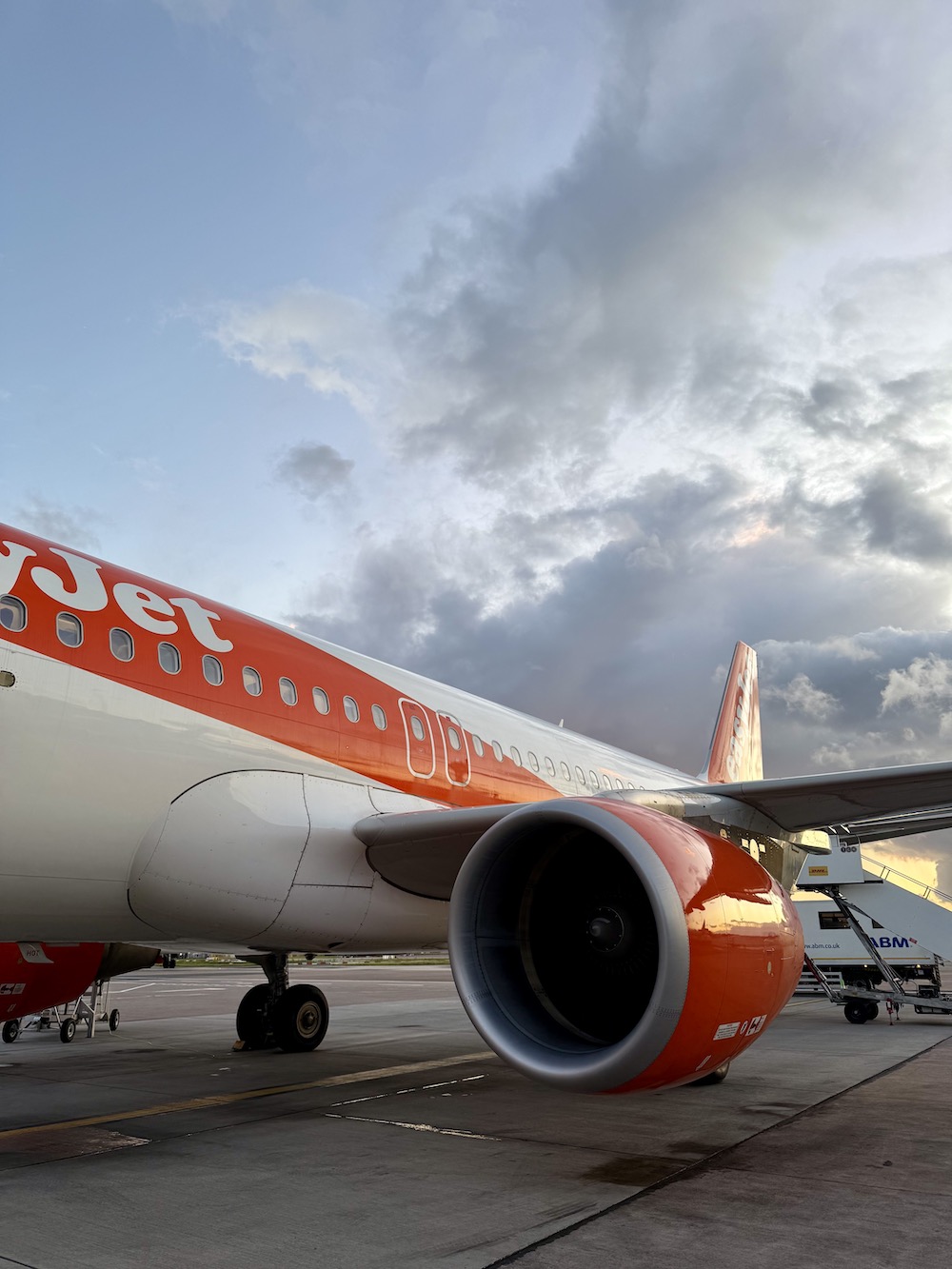
Once you’ve established that your flight may qualify, the next step is to submit a claim through easyJet’s official compensation claims portal.
Visit the easyJet compensation claims portal and follow the instructions. You’ll need your booking and flight details, so have them to hand before you begin.
Complete the form accurately, explaining the disruption and providing any information requested. Double-check your booking reference and flight number before submitting everything.
If you are claiming compensation and reimbursement for expenses, be aware that these may need to be submitted separately.
You can also explore a specialist service if you’d prefer help with the process. For example, easyJet delay compensation provides information about pursuing a claim through Flightright. If the claim is successful, Flightright deducts a success fee from the compensation; if not, there is nothing to pay.
Step 6: Know your rights while you’re waiting
Compensation isn’t the only right you may have when your flight is delayed.
Depending on the length of the delay and your flight distance, easyJet may be required to provide reasonable food and refreshments, a means of communication and hotel accommodation with transport if an overnight stay becomes necessary.
These rights to care generally apply regardless of the reason for the delay.
If easyJet doesn’t arrange assistance and you need to pay for essentials yourself, keep itemised receipts and spend reasonably. Avoid assuming that every expense will be reimbursed: luxury hotels, alcohol and expensive meals are unlikely to qualify.
If your flight is delayed by at least five hours, you may also have the right to abandon your journey and receive a refund for the unused flight. Consider this carefully before accepting a refund, as it may affect your travel plans.
Step 7: What if easyJet rejects your claim?
Don’t give up immediately if your claim is rejected. First, read the explanation carefully and check whether the airline has provided a specific reason for its decision.
If you believe you qualify, you can challenge the decision in writing and ask easyJet to explain the evidence supporting its position.
If the dispute remains unresolved, you may be able to escalate it to an approved Alternative Dispute Resolution (ADR) provider, where available, or seek help from the Civil Aviation Authority’s Passenger Advice and Complaints Team, depending on the circumstances.
The CAA advises passengers that they can escalate a complaint if the airline has issued its final response or has taken more than eight weeks to respond. Check the latest guidance to establish which route applies to your complaint.
Keep copies of your claim, correspondence and receipts throughout the process. If you use a claims management company, check its terms before appointing another service or taking further action.
Don’t leave money on the table
Flight delays are frustrating, especially when they eat into precious holiday time. But knowing your passenger rights can make a real difference, and you shouldn’t assume that a delayed easyJet flight automatically means you’ve lost out.
Check your eligibility, gather your evidence and submit your claim directly to easyJet in the first instance. If you’re unsure about your rights or need help pursuing a claim, you can also explore specialist assistance.
A little paperwork could mean compensation of hundreds of pounds per eligible passenger, helping to make an otherwise disappointing travel experience a little easier to swallow.


