Choosing where to stay in London for the first time can feel ridiculously complicated. London is enormous, hotel prices vary wildly and almost every hotel describes itself as being “centrally located”, even when it is a 45-minute Tube journey from the places you actually want to see.
If it is your first trip to London, my biggest tip is to pay a little more to stay somewhere genuinely central. You will save time, spend less of your trip underground and be able to walk to many of the famous sights you have come to see.
For most first-time visitors, I would stay in:
- Covent Garden
- Charing Cross
- Soho
- South Bank
These areas put you close to the classic London experience: West End theatres, Trafalgar Square, the River Thames, Big Ben, Buckingham Palace, restaurants, shops and those lovely aimless walks when you keep stumbling across somewhere familiar.
But the best area for you will depend on your budget, who you are travelling with and what you want to do. Here is my honest guide to the best places to stay in London for first timers, including the pros, the drawbacks and the areas I would avoid for a first visit.
What you need to know before visiting London for the first time
First of all, for a smooth entry into the UK, check if you need a visa before arriving. Check out Handlevisa travel document services for more info and help to apply.
Secondly, I’d 100% recommend making sure you have a contactless payment option before arriving. You won’t be needing cash in London so either a contactless credit/debit card or apple pay/Google Pay is what you’ll need. You’ll use this for public transport and taxis. I like to use Monzo when I travel and I have a full review and details here.
OK, back into where to stay…
The quick answer: Where should a first-time visitor stay in London?
If you want one simple answer, stay in or around Covent Garden.
It is lively, beautiful and exceptionally convenient. You can walk to Soho, Chinatown, Trafalgar Square, the National Gallery, Leicester Square and the theatres of the West End. Big Ben, Buckingham Palace and the South Bank are also within walking distance if you do not mind a good stroll.
Covent Garden is not the cheapest part of London and it can be busy, but for a first visit it gives you the experience most people imagine when they picture a London city break.
My second choice would be the South Bank, particularly for families, while Bloomsbury is my favourite central compromise when Covent Garden prices are too high.
| Area | Best for | Main advantage | Main drawback |
| Covent Garden | Most first-time visitors | Walkable and atmospheric | Expensive and busy |
| Charing Cross | Sightseeing and short trips | Brilliantly central | Limited budget choice |
| South Bank | Families and river views | Major attractions and easy walks | Quieter away from the river |
| Westminster | Iconic landmarks | Big Ben and Buckingham Palace nearby | Less lively at night |
| Bloomsbury | Value in central London | Calm, convenient and cultural | Less instantly glamorous |
| Soho | Food, nightlife and couples | Energetic from morning until late | Noise and small rooms |
| Victoria | Transport convenience | Excellent connections | Some streets feel functional |
| South Kensington | Museums and families | Elegant and relatively calm | Farther from the West End |
| London Bridge | Food and modern London | Borough Market and the Thames | Not as close to West End sights |
| King’s Cross | Eurostar and onward travel | Outstanding transport links | Not the classic London setting |
Covent Garden: The best all-round area for first timers
Covent Garden is where I would tell a friend to stay on their first visit to London. It is central enough to make sightseeing easy but has enough atmosphere to feel like a destination in its own right.
The covered market, pedestrianised piazza, street performers, theatres and pretty streets make it a lovely area to return to at the end of the day. You are also close to Seven Dials, Neal’s Yard, Somerset House and the shops and restaurants around the Strand.
This is a particularly good base if you are seeing a West End show. You can have dinner, walk to the theatre and stroll back to your hotel afterwards without worrying about the last Tube or squeezing onto a packed train.
The main downside is the price. Hotel rooms can also be small, so check the room dimensions rather than assuming a beautiful exterior means a spacious bedroom.
Stay in Covent Garden if: You want the easiest and most exciting base for a short first trip.
Look around: Covent Garden Piazza, Seven Dials, the Strand, Aldwych and the streets towards Charing Cross.
Hotel ideas: The Resident Covent Garden, The Hoxton Holborn, The Henrietta Hotel, AMANO Covent Garden and hub by Premier Inn London Covent Garden. If you’re on a budget then you really can’t beat a Travel Lodge or Premier Inn!
Read more: 25 things to do in Covent Garden
Charing Cross and Trafalgar Square: Best for serious sightseeing
Charing Cross is not always treated as a separate neighbourhood, but it is one of the smartest places to search for a hotel. It sits between Covent Garden, Westminster, Soho and the river, making it incredibly useful for a first trip.
From here you can walk to Trafalgar Square and the National Gallery in minutes. Buckingham Palace, Big Ben, the London Eye, Piccadilly Circus, Chinatown and the South Bank are all within a comfortable sightseeing radius.
Charing Cross station also gives you useful rail and Tube connections. This is ideal if you have only one or two nights and do not want to lose time repeatedly crossing the city.
It can feel busy and traffic-heavy around the Strand, and hotels directly overlooking Trafalgar Square tend to be expensive. Look a few streets away and you may find a better balance between location and price.
Stay near Charing Cross if: You want to see as much as possible in a short visit.
Hotel ideas: The Clermont Charing Cross, The Grand at Trafalgar Square, Page8 and The Royal Horseguards.
South Bank and Waterloo: Best for families
The South Bank is my top choice for families visiting London for the first time. It has wide riverside walkways, wonderful views and a cluster of easy crowd-pleasers including the London Eye, SEA LIFE London Aquarium, the Southbank Centre and the National Theatre.
You can walk beside the Thames towards Tate Modern, Shakespeare’s Globe and Borough Market, or cross one of the bridges into Westminster and Covent Garden. The riverside feels exciting without requiring a carefully planned itinerary every time you leave the hotel.
Waterloo station is extremely well connected, with Tube and national rail services. Just check the exact location of your hotel because “Waterloo” can describe properties quite a long way from the river, and the streets immediately around the station are less scenic than the South Bank itself.
The area beside the river can be busy during weekends and school holidays. Restaurants overlooking the Thames also tend to charge for their location, but you will find better-value options around Lower Marsh and The Cut.
Stay on the South Bank if: You are travelling with children, love a river view or want plenty to do without constant Tube journeys.
Look around: Belvedere Road, County Hall, Upper Ground and the northern side of Waterloo station.
Hotel ideas: Park Plaza County Hall, Park Plaza Westminster Bridge, Sea Containers London, Premier Inn London County Hall and Hampton by Hilton London Waterloo.
Read more: Things to do in London with kids
Westminster and St James’s: Best for iconic London landmarks
If the dream is to step outside and immediately feel as though you are in London, Westminster is hard to beat. Big Ben, the Houses of Parliament, Westminster Abbey, St James’s Park and Buckingham Palace are all close by.
This is a wonderful location for early morning walks before the pavements become busy. You can see the classic sights in softer light, then wander through St James’s Park towards the palace while much of London is still having breakfast.
Westminster is very central, but parts of it become surprisingly quiet in the evening because so many buildings are offices and government departments. There are restaurants and pubs, but it does not have the same after-dark energy as Soho or Covent Garden.
Be careful when searching too. The City of Westminster is a huge borough that includes many neighbourhoods, so a hotel described as being “in Westminster” will not necessarily be beside Big Ben. Check the map and look specifically around Westminster, St James’s Park, Whitehall or Victoria Street.
Stay in Westminster if: Famous landmarks are your priority and you prefer calm evenings to nightlife.
Hotel ideas: Conrad London St James, The Guardsman, St Ermin’s Hotel, hub by Premier Inn London Westminster Abbey and The Westminster London.
Bloomsbury: Best-value central location
Bloomsbury is the area I would check when Covent Garden prices make your eyes water. It is still in central London, but it often feels calmer and offers a broader range of mid-priced hotels.
The British Museum is here, along with leafy garden squares, bookshops and handsome Georgian streets. You can walk to Covent Garden, Soho and King’s Cross, while Russell Square, Holborn and Tottenham Court Road stations provide excellent connections.
Bloomsbury is not as immediately exciting as the West End and some of its hotels are in older converted townhouses with tiny rooms or no lift. Read recent reviews and check whether your room is in a basement before booking.
This is nevertheless one of the best choices for visitors who want a central location without paying the highest central-London prices.
Stay in Bloomsbury if: You want a quieter, more affordable base that remains within walking distance of the West End.
Hotel ideas: The Montague on the Gardens, Kimpton Fitzroy London, Bedford Hotel, The Academy and Point A London Kings Cross St Pancras.
Soho: Best for restaurants and nightlife
Soho is bold, busy and never boring. It is packed with restaurants, bars, theatres, cafés and late-night energy, with Chinatown, Carnaby Street, Oxford Street and the West End on the doorstep.
For a couple or a group of friends, Soho can be an excellent base because going out becomes incredibly easy. You can explore all day, return to the hotel for a quick change and have hundreds of evening options within a few streets.
The trade-off is noise. Soho is lively well into the night and many hotels occupy tight historic buildings, so the bedrooms may be smaller than expected. If you are a light sleeper, ask for a room away from the street or stay on the quieter edges towards Fitzrovia or Mayfair.
Stay in Soho if: Food, bars, theatre and nightlife matter as much as sightseeing.
Hotel ideas: Mimi’s Hotel Soho, The Resident Soho, Broadwick Soho, The Z Hotel Soho and Ham Yard Hotel.
Victoria: Best for easy transport
Victoria is practical rather than romantic, but practicality can be valuable in a city as large as London. The area has a major rail, coach and Tube hub, plus convenient routes towards Gatwick Airport and destinations across southern England.
Buckingham Palace, St James’s Park and Westminster are within walking distance. There is also a large choice of hotels, including many familiar chains and smaller guesthouses around Belgravia and Pimlico.
The exact street matters here. The blocks towards Belgravia can feel elegant, while some streets near the coach station and railway arches feel much more functional. Pimlico is quieter and often better value, but adds a little distance to your daily walks.
Victoria is a good choice if you have an early departure, are taking a coach or train, or find a significantly better hotel deal than you can get in Covent Garden.
Stay in Victoria if: Smooth airport and rail connections are a priority.
Hotel ideas: The Clermont Victoria, citizenM London Victoria Station, The Goring, Georgian House Hotel and hub by Premier Inn London Victoria.
South Kensington: Best for museums and a calmer family stay
South Kensington is polished, attractive and much calmer than Covent Garden. The Natural History Museum, Science Museum and Victoria and Albert Museum are clustered together, making this a particularly useful base for families.
Hyde Park, Kensington Gardens and the Royal Albert Hall are close by, while the Piccadilly line provides a direct route towards the West End and Heathrow Airport. The neighbourhood also has plenty of cafés and restaurants around Gloucester Road and Old Brompton Road.
The compromise is that you will probably use public transport more often. It is central London, but it is not within an easy walk of Covent Garden, Big Ben or the South Bank.
Stay in South Kensington if: You want museums, elegant streets and quieter nights.
Hotel ideas: The Ampersand Hotel, The Resident Kensington, The Bailey’s Hotel, 100 Queen’s Gate Hotel and Premier Inn London Kensington.
London Bridge and Bankside: Best for food and riverside walks
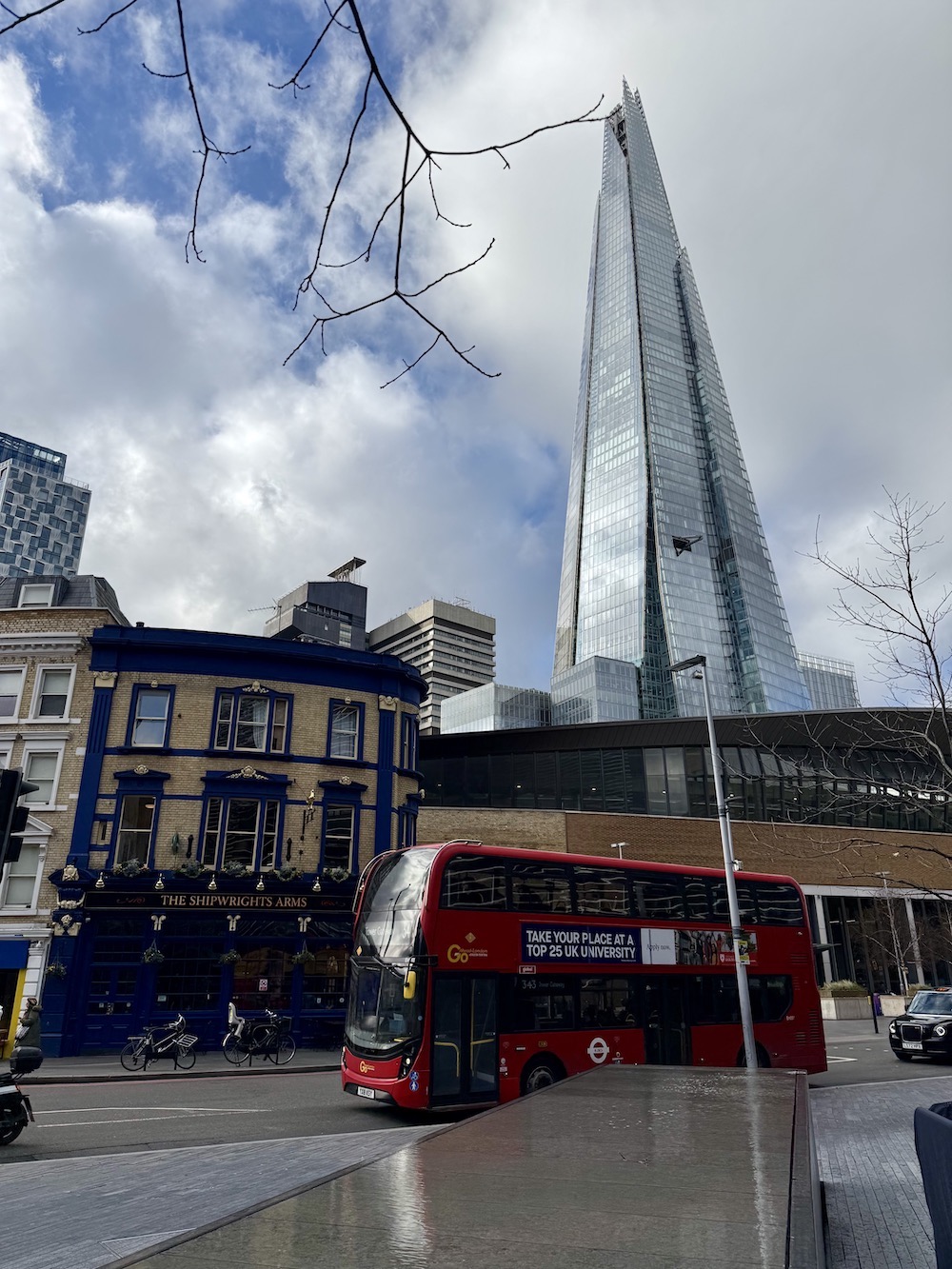
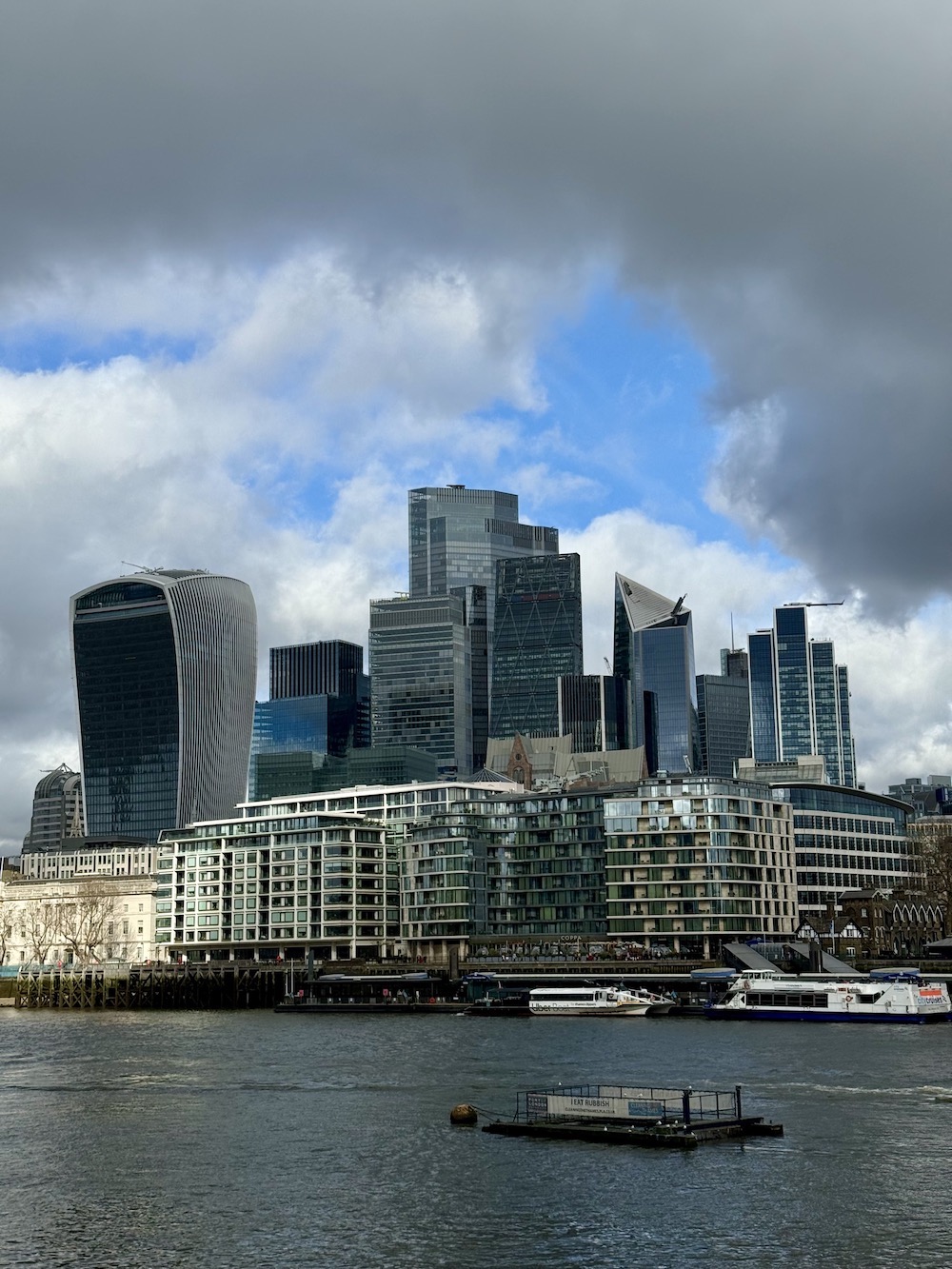
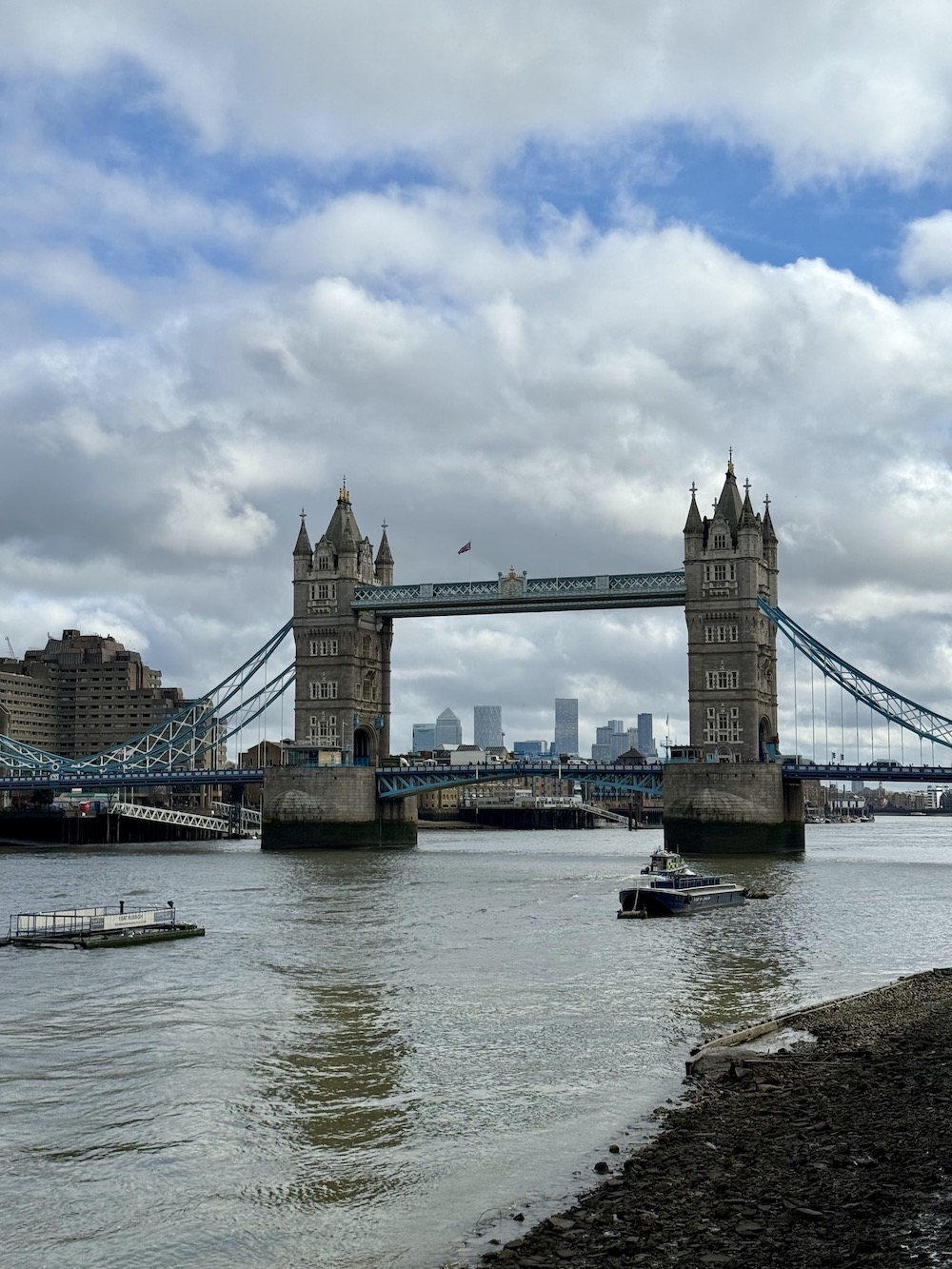
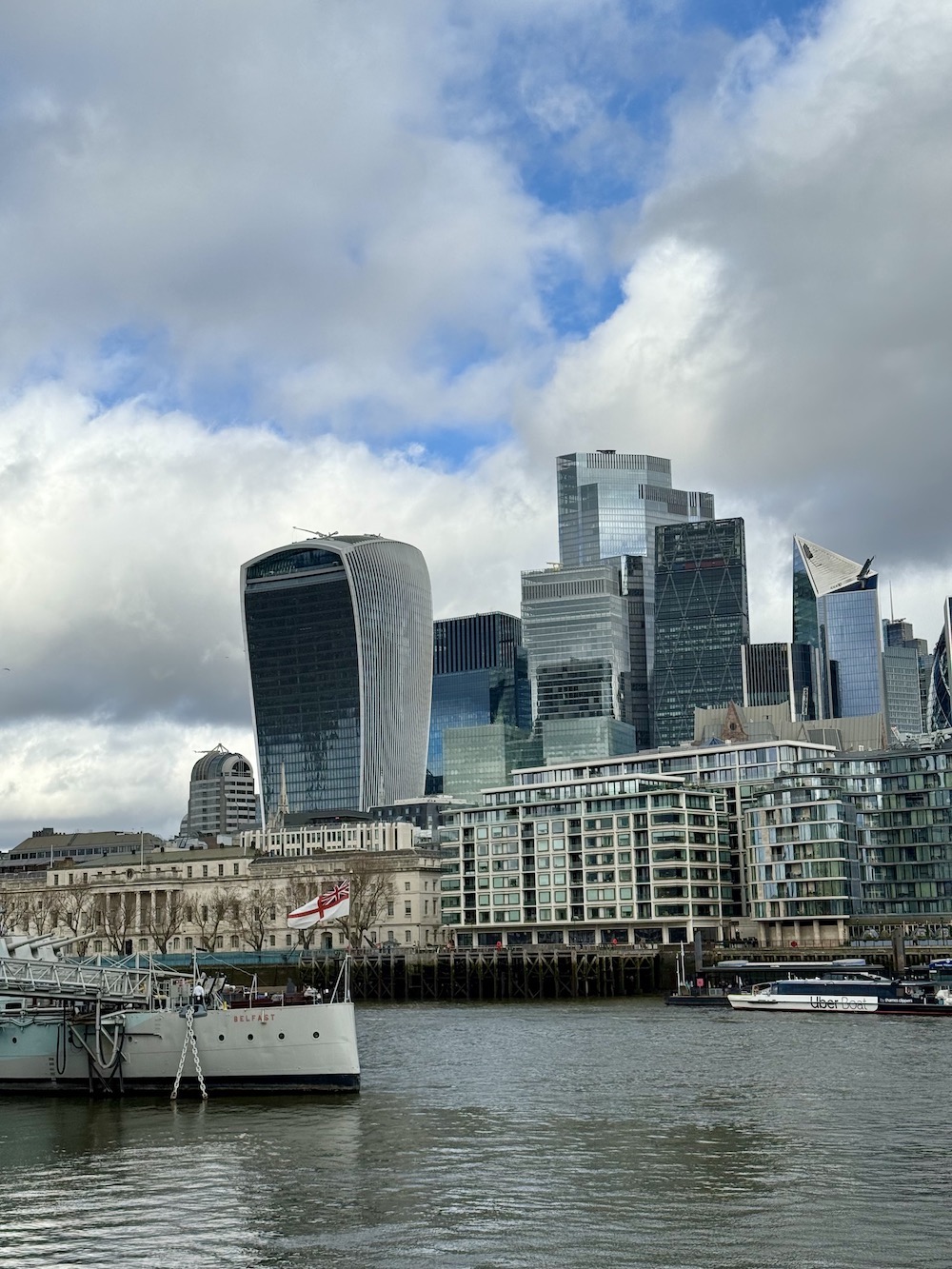
London Bridge is a brilliant base if you want a mixture of historic and modern London. Borough Market, The Shard, Tower Bridge, Tate Modern and Shakespeare’s Globe are all nearby, and the Thames path makes this part of the city especially enjoyable on foot.
The area has fantastic food, from market stalls to smart restaurants, and convenient transport from London Bridge station. You can also walk across the river into the City of London or take the Jubilee line directly to Westminster and the West End.
It is not my first choice for a traditional theatre-and-Buckingham-Palace trip because many of those sights are farther west. But it is an excellent option for food lovers, couples and repeat visitors who prefer the river to the West End crowds.
Stay near London Bridge if: Borough Market, Tower Bridge and riverside London are high on your list.
Hotel ideas: citizenM Tower of London, London Bridge Hotel, Native Bankside, Novotel London Bridge and ibis Styles London Southwark.
King’s Cross: Best for Eurostar and onward journeys
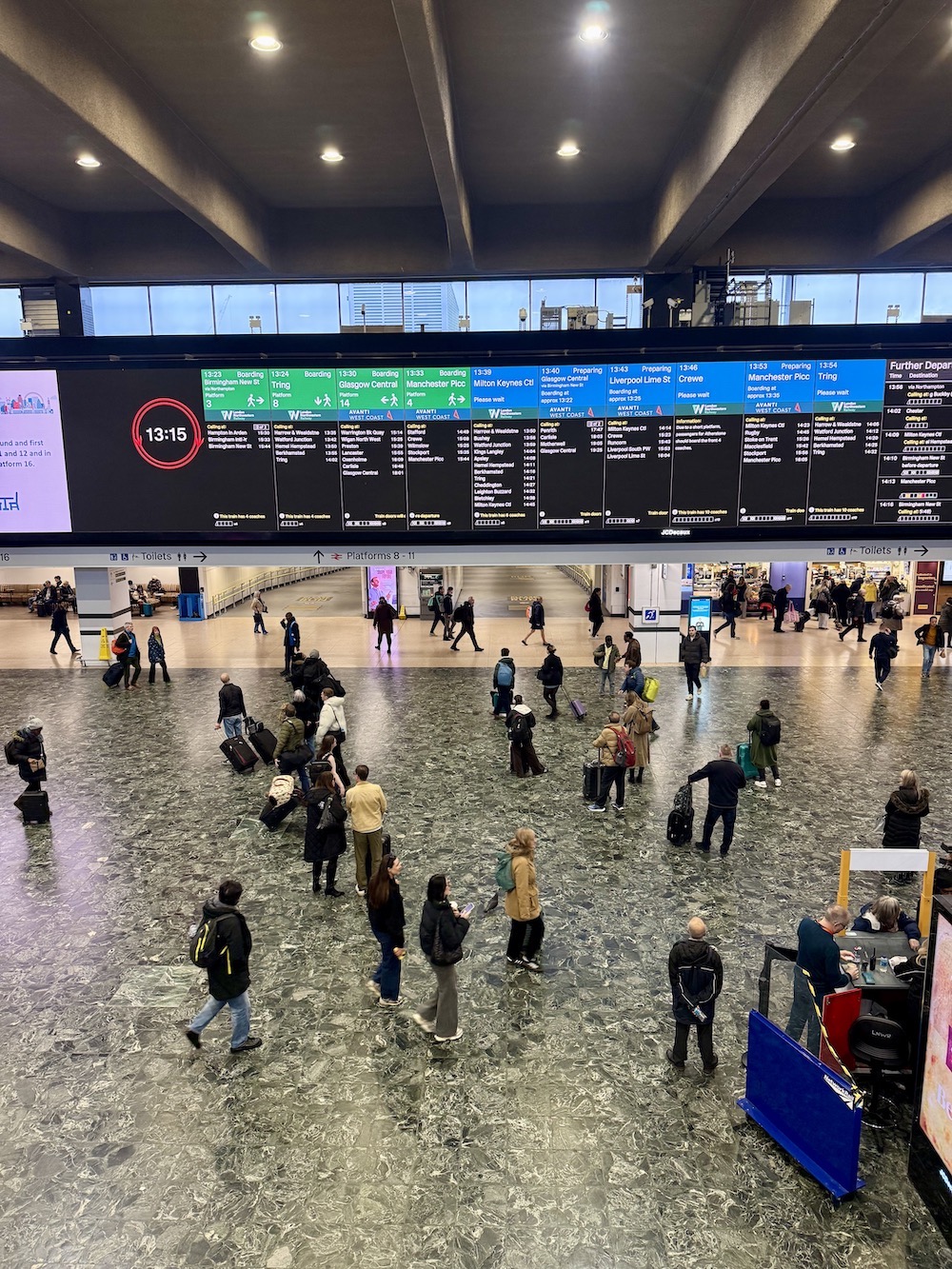
King’s Cross and St Pancras are ideal if you are arriving by Eurostar or using London as part of a longer UK trip. The area connects to six Underground lines as well as national and international rail services, so almost anywhere in the city is straightforward to reach.
Coal Drops Yard and the canals around Granary Square have transformed the neighbourhood into somewhere worth exploring rather than merely passing through. You are also close to the British Library and within walking distance of Bloomsbury.
I would still choose Covent Garden for a classic first weekend if prices were equal. Around King’s Cross you will rely more heavily on the Tube, and the immediate station area does not provide the same storybook introduction to London.
Stay in King’s Cross if: You are using Eurostar, have an early train or want exceptional transport connections.
Hotel ideas: The Standard London, Great Northern Hotel, The Gyle, Pullman London St Pancras and Premier Inn London King’s Cross.
Should you stay in Notting Hill or Shoreditch on your first trip?
Notting Hill and Shoreditch appear in countless London guides, and both are worth visiting. But I would not automatically stay in either on a first trip.
Notting Hill is colourful, attractive and close to Portobello Road Market, but it lies west of many major attractions. Shoreditch is excellent for street art, nightlife, markets and independent restaurants, but it is east of the classic Westminster and West End sights.
Choose one of these areas if its atmosphere is the main reason for your trip. If your itinerary is dominated by Big Ben, Buckingham Palace, the London Eye, museums and a West End show, a more central base will be easier.
Is it worth paying more to stay in central London?
For a short first visit, yes
Hotels in Zones 3 or 4 are cheaper but you’ll need to be comfortable with taking public transport or paying extra for taxis.
Staying centrally also gives you flexibility. You can return to your room to drop off shopping, change before dinner or let tired children rest without losing a huge chunk of the day.
I would rather have a smaller, simpler room in a brilliant location than a spacious hotel on the edge of London for a two-night sightseeing trip. The room is mainly somewhere to sleep, while the location shapes the entire weekend.
How to choose a London hotel
Do not rely on the neighbourhood name alone. Open the map and check the walking route from the hotel to the nearest station, especially if you will arrive after dark or with children and luggage.
I use this checklist before booking:
- Is the nearest useful Tube or rail station within a genuine ten-minute walk?
- Can I walk to at least two or three places on my itinerary?
- Do recent reviews mention street noise, building work or unreliable lifts?
- Is the room large enough once the beds and luggage are inside?
- Does the room have air conditioning if I am visiting in summer?
- Is breakfast included, and is it actually worth the extra cost?
- Can I leave my luggage before check-in and after check-out?
- Will the route back feel comfortable late at night?
London hotel rooms are often small, particularly in converted historic buildings. Budget rooms may have no window, a basement location or a bed pushed against a wall, so read the room description carefully.
Which London transport zone should you stay in?
For a first visit, I would aim to stay in Zone 1 or close to a Zone 1 station. Most of the central attractions are here, and keeping your journeys short makes London feel much more manageable.
You do not need to buy individual Tube tickets. Contactless payment allows pay-as-you-go travel with daily capping. Use the same card or device every time you touch in and out so the system can calculate the correct fare.
Remember that many central journeys are quicker and more enjoyable on foot. Covent Garden to Leicester Square, for example, is such a short walk that taking the Tube makes little sense. Walking also gives you the chance to discover courtyards, pubs, shops and buildings you would otherwise miss.
Where should families stay in London for the first time?
I would choose the South Bank, South Kensington or Bloomsbury.
South Bank wins for easy entertainment and wide riverside walks. South Kensington is best for free museums and calmer evenings, while Bloomsbury gives families a central base with garden squares and easy access to both the British Museum and the West End.
Family rooms in London sell out quickly, so book early. Always check whether “family room” means two proper beds, a sofa bed or several people squeezed into a standard double room.
If you are travelling with children to London, also consider how often you will want to return to the hotel. A very cheap room far from the centre becomes far less appealing when a tired child needs an afternoon break.
Where should couples stay in London?
For a first romantic weekend, I would choose Covent Garden, Soho or Bankside.
Covent Garden is perfect for dinner and a show, Soho gives you endless restaurants and late-night bars, and Bankside has beautiful evening walks beside the Thames. If the budget stretches further, the quiet streets of St James’s and Mayfair feel particularly special.
Think about what you want to do after dinner. Being able to walk back to your hotel is one of the loveliest luxuries on a London weekend.
Where should you stay in London on a budget?
Start with Bloomsbury, Waterloo, Victoria, King’s Cross and the edges of Southwark. These areas often have budget chains, hostels and smaller independent hotels while retaining very good transport links.
I would also search hotel chains directly, including Premier Inn, hub by Premier Inn, Travelodge, Point A, Z Hotels and ibis. Their most basic rooms are not luxurious, but you know roughly what you are getting and central branches can represent excellent value.
Compare the final price rather than the headline rate. Breakfast, cancellation terms, luggage storage and room type can change which deal is genuinely cheapest.
Sunday nights and some business-focused areas can offer better rates, while summer weekends, school holidays, Christmas shopping dates and major events push prices up quickly. If your dates are fixed, booking a cancellable room early gives you something secure while you continue watching prices.
Areas I would avoid for a first London visit
This is not about an area being bad. It is simply about using your limited time well.
I would avoid booking far into Zones 3, 4 or beyond merely to save a modest amount. I would also be cautious around airports unless you have a very early flight, because an “airport hotel” is rarely a useful base for sightseeing in central London.
Some hotel websites stretch neighbourhood names beyond recognition. A property marketed as “near Kensington”, “London Docklands” or “Wembley” may be perfectly good, but it could add a substantial commute to every day of your trip.
Use Google Maps or Citymapper to test the door-to-door journey at the time you expect to travel. Do not just look at the distance as the crow flies or assume that being beside a station guarantees a quick route.
My perfect location for a first weekend in London
If I were planning a two or three-night first visit, I would search within the rough triangle between Covent Garden, Charing Cross and Holborn.
From there, I could walk to the West End, Soho, Trafalgar Square and the river. Westminster and Buckingham Palace would be an enjoyable longer walk, while Tube connections would make it easy to reach the Tower of London, South Kensington or anywhere farther away.
If the hotels were too expensive, I would widen the search to Bloomsbury or Waterloo before moving farther out. That keeps the trip simple without paying the absolute highest prices.
London rewards walking, spontaneity and looking up. The right hotel does not need to be luxurious, but it should put you in a position to step outside and begin enjoying the city straight away.
FAQs about where to stay in London for the first time
What is the best area of London for first-time tourists?
Covent Garden is the best all-round choice for most first-time visitors because it is walkable, lively and close to the West End, Soho, Trafalgar Square and the Thames. South Bank is an excellent alternative for families.
Is it better to stay near Paddington or Victoria?
Choose Paddington if Heathrow Airport and the Elizabeth line are especially important. Choose Victoria for easier walking access to Buckingham Palace and Westminster, or for rail and coach connections towards Gatwick and southern England.
For a sightseeing-only first trip, I would generally prefer Victoria, although the exact hotel and price could easily change that decision.
Is Covent Garden a good place to stay in London?
Yes. Covent Garden is one of the easiest and most atmospheric places to stay on a first visit. The only real disadvantages are higher hotel prices, crowds and the possibility of evening noise.
Is the South Bank a good base in London?
Yes, especially for families and visitors who enjoy walking. The London Eye, riverside attractions and several bridges into Westminster and the West End are nearby, while Waterloo provides excellent transport connections.
How many days do you need in London for the first time?
Three to five days is ideal for a first visit. You can see the major landmarks in two days, but a longer trip gives you time for museums, neighbourhoods, markets and evenings that do not feel rushed.
Should I stay near a Tube station?
Yes, but check which lines serve it and how far the hotel really is from the entrance. A hotel within ten minutes of a well-connected station is usually a better choice than one beside a station requiring several changes for your planned attractions.
What is the safest area to stay in London?
London’s main visitor areas are generally well used and busy, but it is still a major city. Choose a hotel with good recent reviews, pay attention to your surroundings and check the final walk from the station, particularly if you expect to return late at night.
Where should I stay if I am arriving by Eurostar?
King’s Cross and St Pancras are the easiest choices, especially for a late arrival or early departure. If you want a more atmospheric base and do not mind a short onward journey, Bloomsbury and Covent Garden are also convenient.
What is the cheapest central area to stay in London?
There is no single cheapest area because hotel rates change constantly, but Bloomsbury, Victoria, Waterloo and King’s Cross are good places to begin. Search several nearby areas and compare the final room price, transport needs and cancellation policy.
Final thoughts
For most first-time visitors, I recommend staying as centrally as the budget allows. Covent Garden is my top choice, followed by Charing Cross, the South Bank and Bloomsbury.
The biggest mistake is booking a hotel based on price and a vague promise that it is “close to central London”. Check the map, think about the places you most want to visit and choose a base that allows you to walk whenever possible.
You may get a smaller room for your money, but you will gain something much more valuable: more time actually enjoying London.