11 Reasons to Visit Madrid in November: The Ultimate Autumn City Break
Madrid in November might just be one of Europe’s best city breaks.
Madrid has everything I want from a short break: brilliant food, beautiful architecture, enormous parks, world-class art, neighbourhoods that are actually fun to wander around and a nightlife scene that makes you wonder why you ever agreed to go home at 10pm.
And there’s something particularly special about visiting Madrid in November.
The summer heat has disappeared, the city has settled into autumn and there are plenty of reasons to spend your days wandering through parks, galleries and tapas bars before heading out for a very Spanish evening.
Autumn is the perfect season for strolling through Madrid, exploring its parks, eating your way around the city and enjoying its jam-packed cultural programme.
So, if you’re tempted by a November city break, here are 11 reasons to visit Madrid in the 11th month that just makes sense…
1. Madrid does autumn really well. Like, really well!
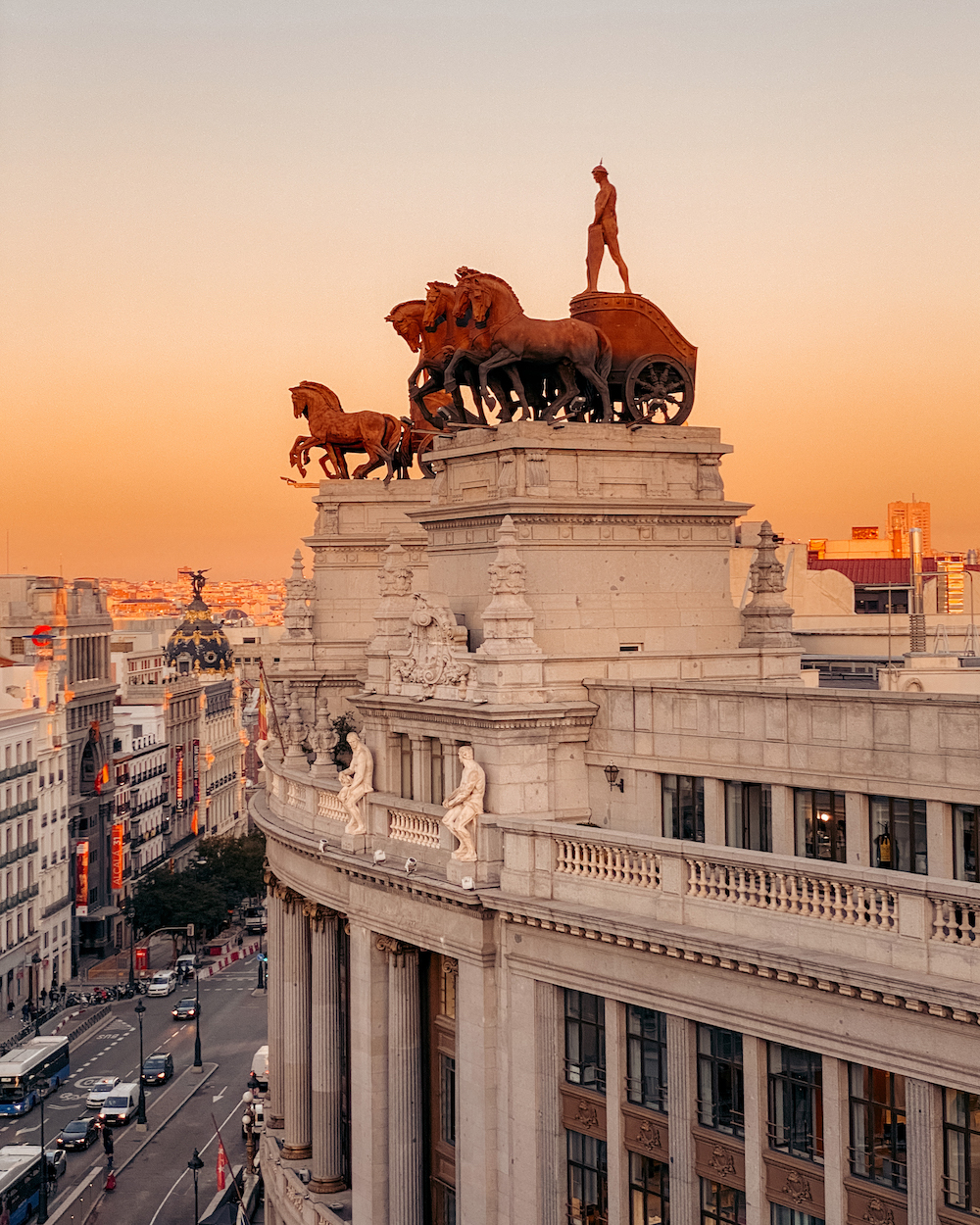
There are some cities that feel slightly miserable once summer is over.
Madrid DEFINITATELY isn’t one of them.
November brings that lovely golden autumn feeling. The parks start to turn shades of yellow, orange and red, the temperatures are generally comfortable for sightseeing and there are still plenty of sunny days when you can sit outside with a coffee or a glass of wine. And this feels even more special if you’re coming from the UK and we’ve entered that miserable, grey season!
And because Madrid is such a walkable city, this is exactly the sort of weather you want for exploring. You can spend the morning wandering around the historic centre, stop for lunch and then walk it off through El Retiro before finding a little bar for an early evening vermouth.
Honestly, that sounds like a pretty perfect November day to me.
2. You can see one of Europe’s greatest art collections
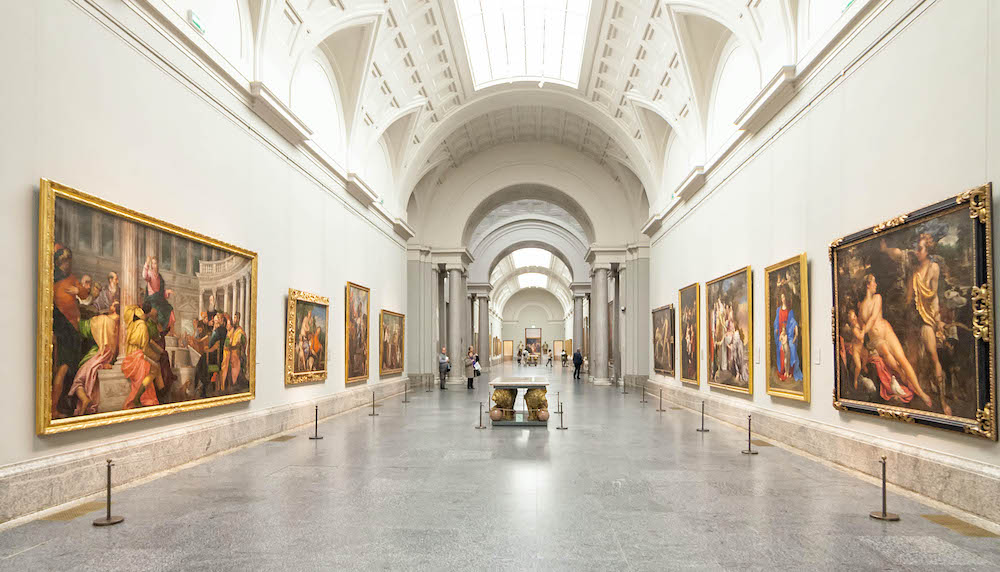
Madrid is one of those cities where you could plan an entire weekend around museums and still barely scratch the surface. The obvious place to start is the Golden Triangle of Art, made up of the Prado, Reina Sofía and Thyssen-Bornemisza.
The Prado is the big one for classic Spanish masterpieces, while the Reina Sofía is home to Picasso’s Guernica. Then there’s the Thyssen-Bornemisza, which fills in the gaps with an extraordinary collection spanning centuries of European and American art.
But one of the things I love about Madrid is that you don’t need to be a serious art person to enjoy its museums. You can pop into one for an hour, see something incredible, wander back outside and continue with your day. You can also pop into Madrid’s house museums such as Sorolla Museum, Lope de Vaga House Museum or Museo Cerralbo where you can get an intimate look into the beautiful and historic houses of Spain’s artists, writers and nobles.
And November is a particularly good month for this because, let’s be honest, having somewhere spectacular to escape to if the weather turns chilly is always handy!
3. El Retiro is even better in autumn
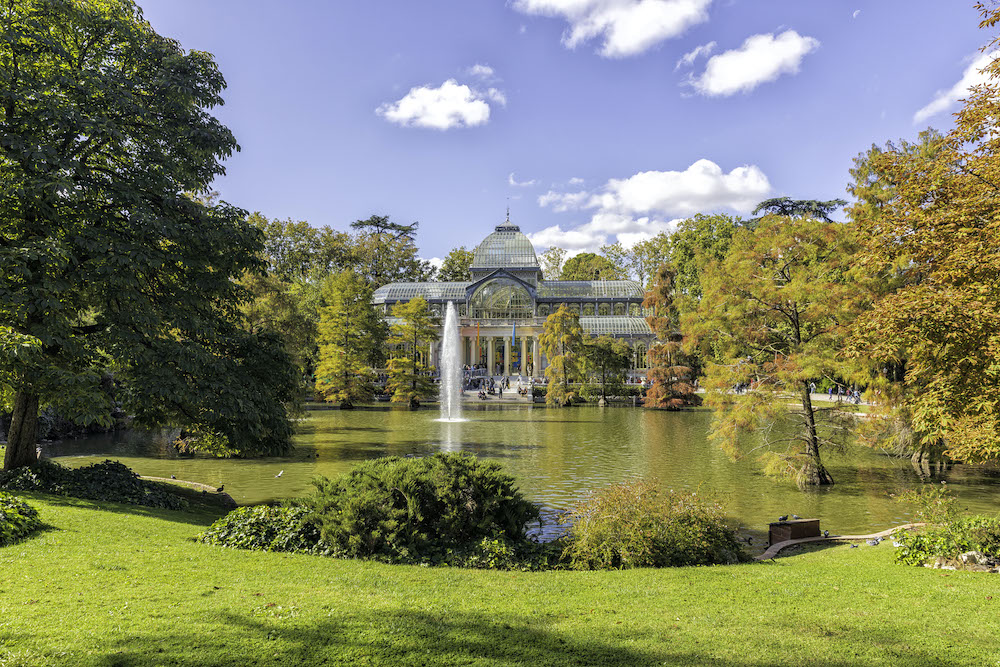
El Retiro is more than just a park. This incredible 350-acre greenspace is in the centre of Madrid and is seriously one of the highlights of the city. It’s part of Madrid’s Landscape of Light UNESCO World Heritage site, alongside the Paseo del Prado.
And November might be one of the nicest times to explore it.
Go for a slow wander beneath the autumn trees, see the Crystal Palace, wander around the lake and stop for a coffee when you inevitably realise you’ve been walking for much longer than planned. You can even hire a rowing boat for a fun splash in the water or a romantic trip on the lake.
I love city breaks where you don’t have to spend every minute ticking off attractions. Sometimes the best part is simply finding somewhere beautiful to sit for half an hour and this is definitely the place to do it!
4. Madrid has a very good excuse to eat all day

This is probably reason enough for me.
Madrid is a city where eating isn’t something you squeeze into your sightseeing schedule. Eating is part of the sightseeing.
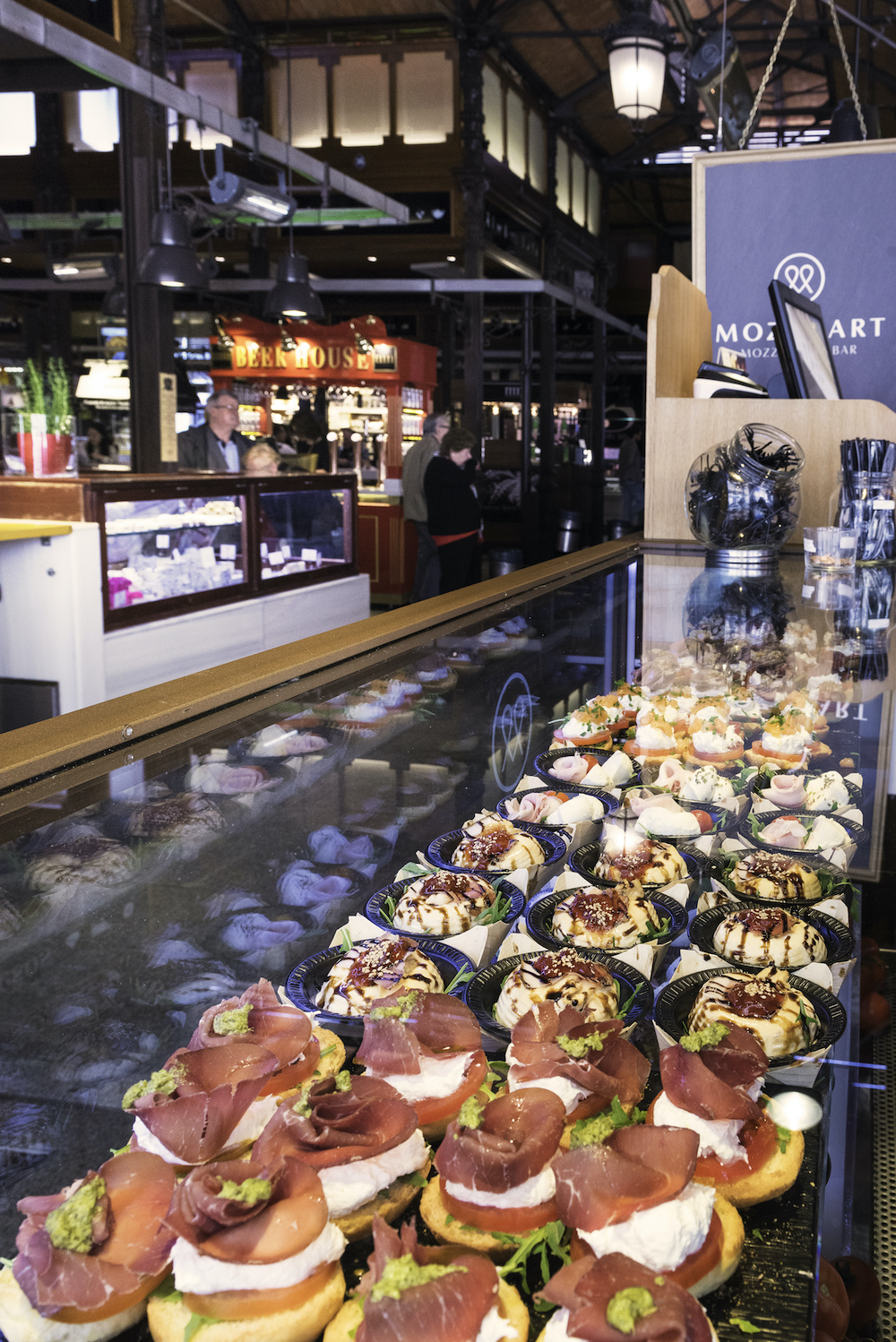
You can plan your own food tour around Madrid’s markets. Mercado de San Miguel is the famous one beside Plaza Mayor, packed with tapas, Spanish specialities and gourmet treats, while Mercado de San Antón in Chueca combines food stalls with a rooftop terrace. For something more neighbourhood-focused, try Mercado de Vallehermoso for everything from Spanish classics to international food, or Mercado de San Fernando in Lavapiés, where traditional market stalls sit alongside independent food and drink businesses.
Madrid also has an incredible modern food scene but the traditional taverns are some of my favourites. Bodega de la Ardosa dates back to 1892 and is famous for its tortilla de patatas, while Casa Alberto, founded in 1827, is a great spot for traditional dishes such as cocido madrileño and vermouth. For more history, try Casa Labra, a Madrid institution dating to 1860 and known for its cod, or Taberna de la Dolores, a charming 1908 tavern in the Barrio de las Letras with a beautiful tiled façade and classic tapas.
Basically, come hungry! I like to plan and book my evening meals but love to be spontaneous during the day and try whatever I see and fancy. Serious foodies will love a food tour where you have a little of something from 8-10 different restaurants and market stalls. It’s such a fun way to see a different side to the city!
5. November is when Madrid’s cultural calendar really comes alive
This is one of the strongest reasons to choose November for your trip to Madrid.
The Madrid Autumn Festival runs from 6–26 November 2026, bringing international theatre, dance and performance to venues around the city. There’s also JAZZMADRID, plus theatre, opera, concerts and other performances happening throughout the month. And that’s before you start looking at what’s happening in Madrid’s individual theatres, galleries and cultural spaces.
Open House Madrid takes place from 6–8 November, when more than 100 buildings and architectural spaces that aren’t normally open to the public can be visited through tours and other events.
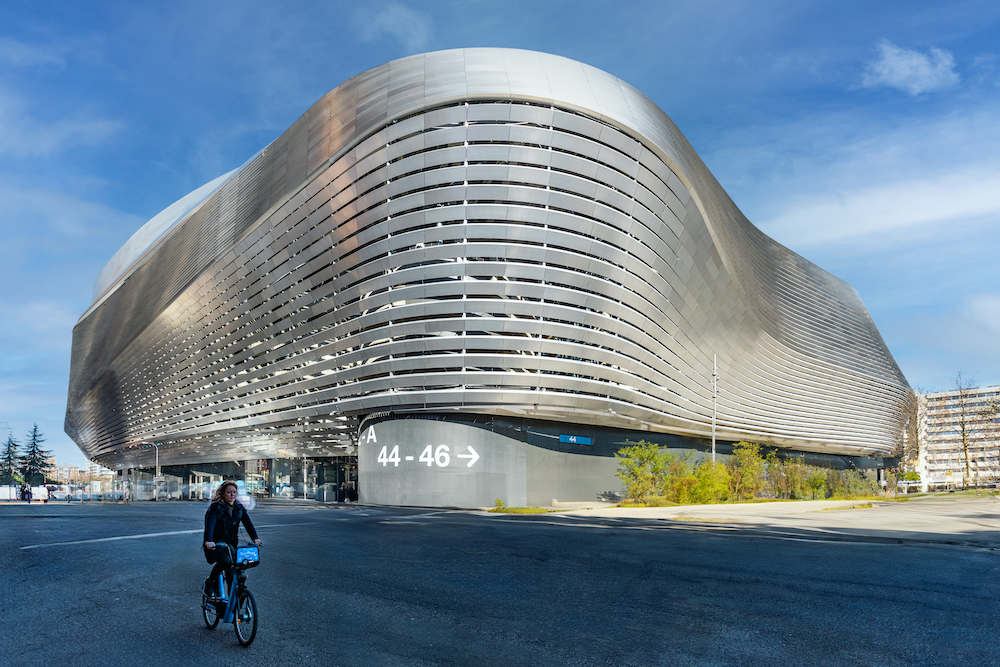
There’s also an NFL game at the Bernabéu on 8 November, Atlético de Madrid playing Barcelona on the same day, and IFEMA Madrid Horse Week later in the month.
And if none of those are your thing, there are concerts, theatre, opera and exhibitions happening throughout the month.
This is one of the reasons I love a city break. You don’t need to wait for a huge annual festival to make it feel like something special. Just find out what’s happening while you’re there and build your trip around it.
6. Madrid’s rooftop bars and nightlife
Madrid is a beautiful city from street level, but there’s something particularly lovely about seeing it from above.
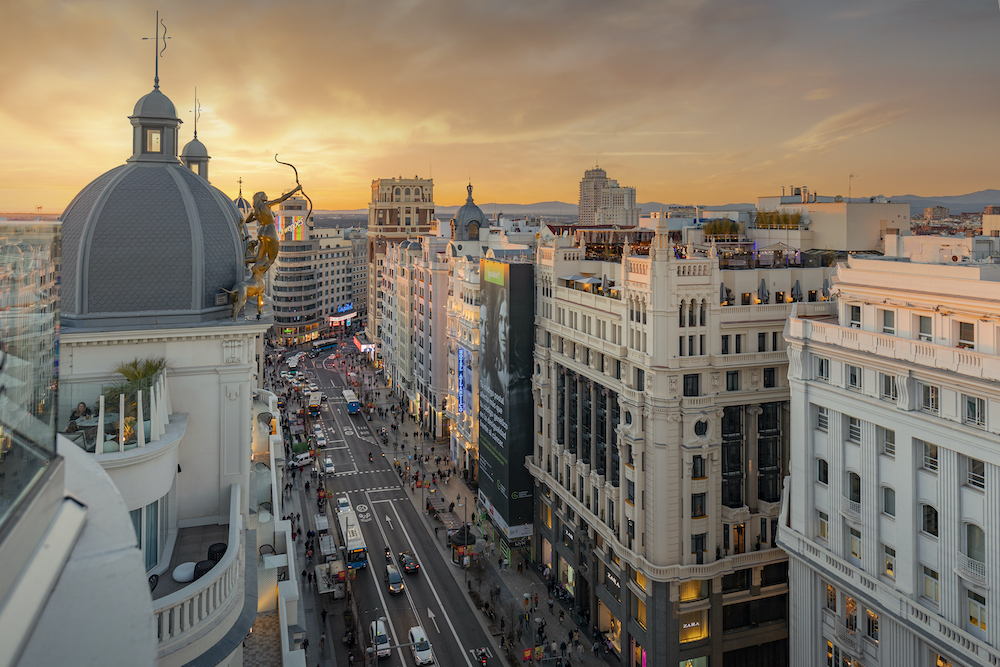
One of my favourite things to do in Madrid is to head to one of the city’s rooftop bars around sunset and watch the city change from busy streets and sightseeing into its evening personality. For incredible views, head to Azotea del Círculo, one of Madrid’s most iconic rooftops, with a brilliant view of the Metropolis building and Gran Vía. Picalagartos Sky Bar is another great choice for cocktails with a buzzy Gran Vía backdrop, while Ginkgo Sky Bar has panoramic views over Plaza de España and a livelier, glamorous atmosphere. For something a little more relaxed and budget-friendly, The Hat Rooftop is a lovely spot near Plaza Mayor for sunset drinks without the hefty hotel-rooftop price tag.
Gran Vía, often referred to as ‘The Spanish Broadway’, is particularly spectacular as the lights come on. This street is filled with gorgeous architecture, theatres, bars, lots of flagship stores and designer shopping and, of course, many rooftop bars!
This is also where Madrid’s famous late-night lifestyle starts to make sense.
You might have dinner much later than you’re used to, drinks that turn into another drink and then somehow find yourself still out at midnight wondering why everyone else seems so energetic.
Madrid doesn’t rush its evenings.
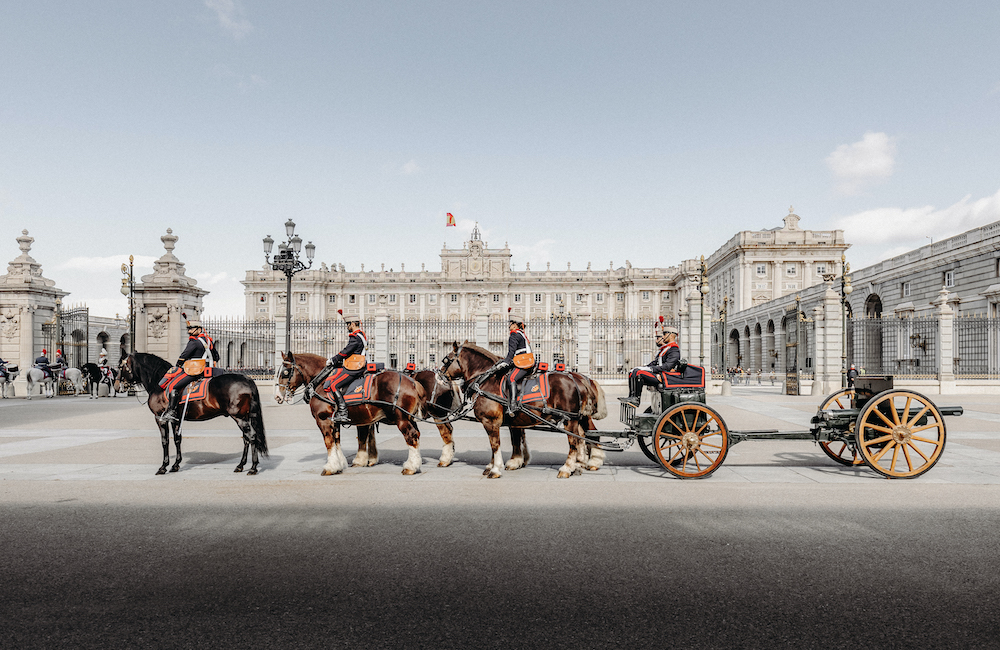
7. You can spend a day getting gloriously lost in Madrid’s neighbourhoods
Some cities are all about the city centre or the old town. Madrid is not like that! There are so many neighbourhoods worth exploring that give you a completely different flavour of the city, and some of the most interesting ones are away from the main tourist trail.
- Head to Malasaña for independent shops, cafés and a slightly alternative feel.
- Explore Chamberí for beautiful architecture, lively plazas, traditional tapas bars and a more local side of Madrid. This historic neighbourhood was once home to many of Madrid’s aristocratic families and later became a meeting place for writers, artists and intellectuals. Don’t miss Plaza de Olavide or the wonderfully atmospheric old Chamberí Metro station, which closed in the 1960s and has been preserved as a little time capsule of Madrid’s early underground.
- Head out to Carabanchel to see Madrid’s emerging creative side. Once a working-class, industrial district, Carabanchel has developed into a thriving arts hub known as Distrito11, with more than 130 artists working across around 40 studios, workshops and creative spaces. You’ll find contemporary galleries, huge murals, artists’ studios and independent creative spaces alongside traditional tapas bars, making it feel very different from the polished centre of Madrid.
- Explore Barrio de las Letras, the literary quarter where some of Spain’s most famous writers once lived and worked.
- Or head towards Salamanca if you fancy boutiques, beautiful architecture and a slightly more polished version of Madrid.
The city’s neighbourhoods have distinct personalities, which makes wandering around feel like you’re constantly discovering somewhere new. And if you want to see a side of Madrid that feels more local and less like a checklist of famous sights, this is exactly where I’d spend some time.
This is where I’d resist the temptation to over-plan. Give yourself a few hours with nowhere you need to be. Follow the pretty street, walk into the interesting-looking shop, stop for the coffee and bite to eat, and see where you end up.
That’s often when a city starts to feel like somewhere you know, rather than just somewhere you’ve visited.
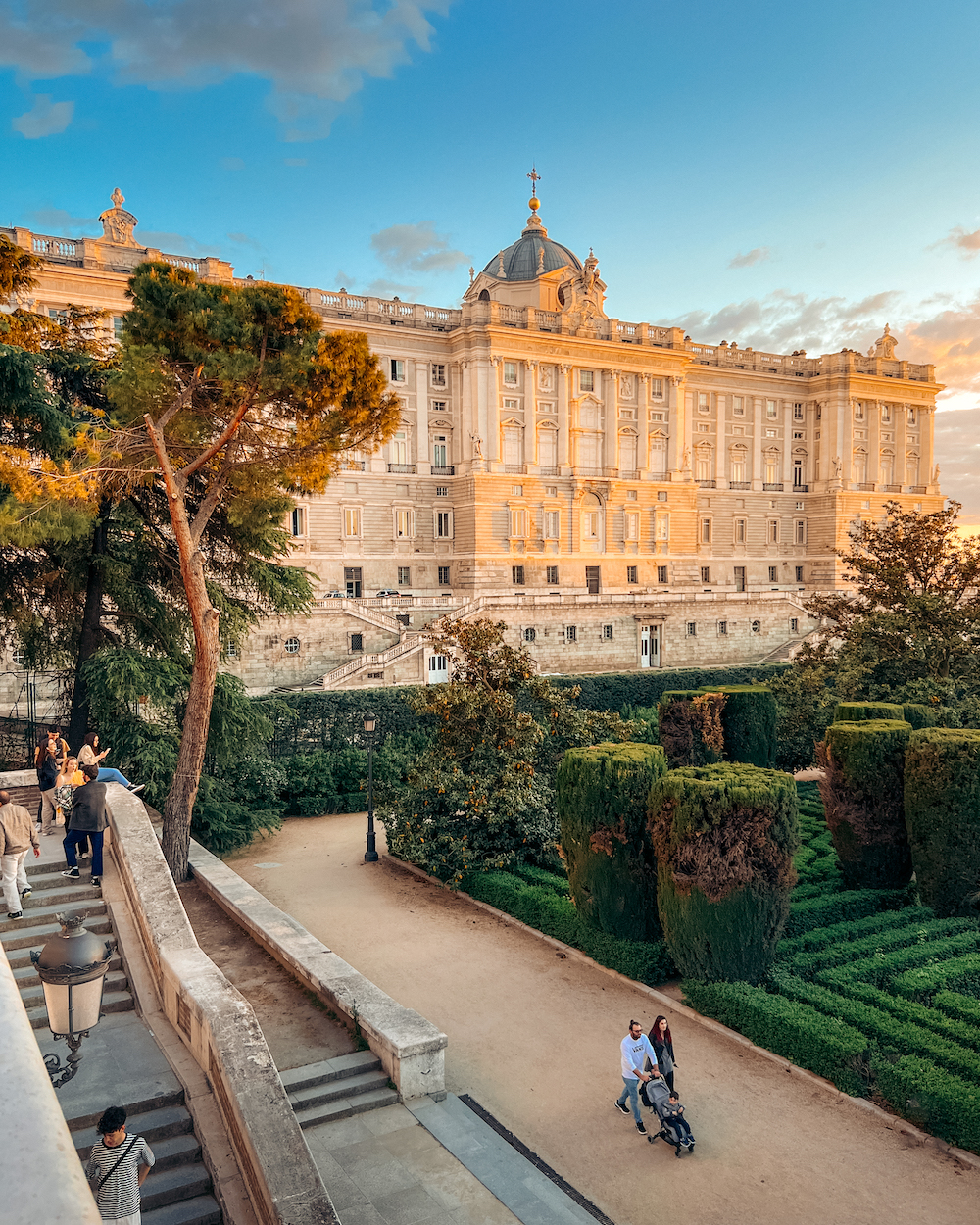
8. November gives you a brilliant excuse to go beyond the obvious sights
Madrid has plenty of famous landmarks, but some of the most interesting experiences are tucked away behind rather unassuming doors.
There are historic house museums, tiny convents, beautiful churches and former royal residences that you can easily miss if you stick rigidly to the standard sightseeing route.
The Sorolla Museum is particularly worth looking out for. The former home of Spanish painter Joaquín Sorolla has undergone extensive refurbishment and is reopening in 2026, so you can see both his art and the home and gardens where he lived.
Then there’s the Museum of Romanticism, the Lázaro Galdiano Museum and places such as the Monastery of Las Descalzas Reales.
Church of San Antonio de los Alemanes is well worth a visit. It’s one of those places that looks fairly unassuming from the outside but is absolutely spectacular once you step through the doors. The entire Baroque interior is covered in incredible ceiling frescoes, earning it the nickname of Madrid’s “Sistine Chapel”. It’s a beautiful little detour if you want to see something extraordinary without spending hours in a museum.
For some fresh air, head out to Parque de El Capricho, an 18th-century romantic garden in Alameda de Osuna. It’s a world away from the busy streets of central Madrid, with winding pathways, a small lake and even hidden bunkers tucked among the gardens.
And then there’s Ermita de San Antonio de la Florida, a tiny Neoclassical chapel beside the Manzanares River that’s very easy to overlook. Inside, though, you’ll find something extraordinary: the ceiling and dome are covered with frescoes by Francisco Goya. It’s a wonderfully unexpected place to see one of Spain’s greatest artists in a setting that’s much more intimate than Madrid’s famous museums.
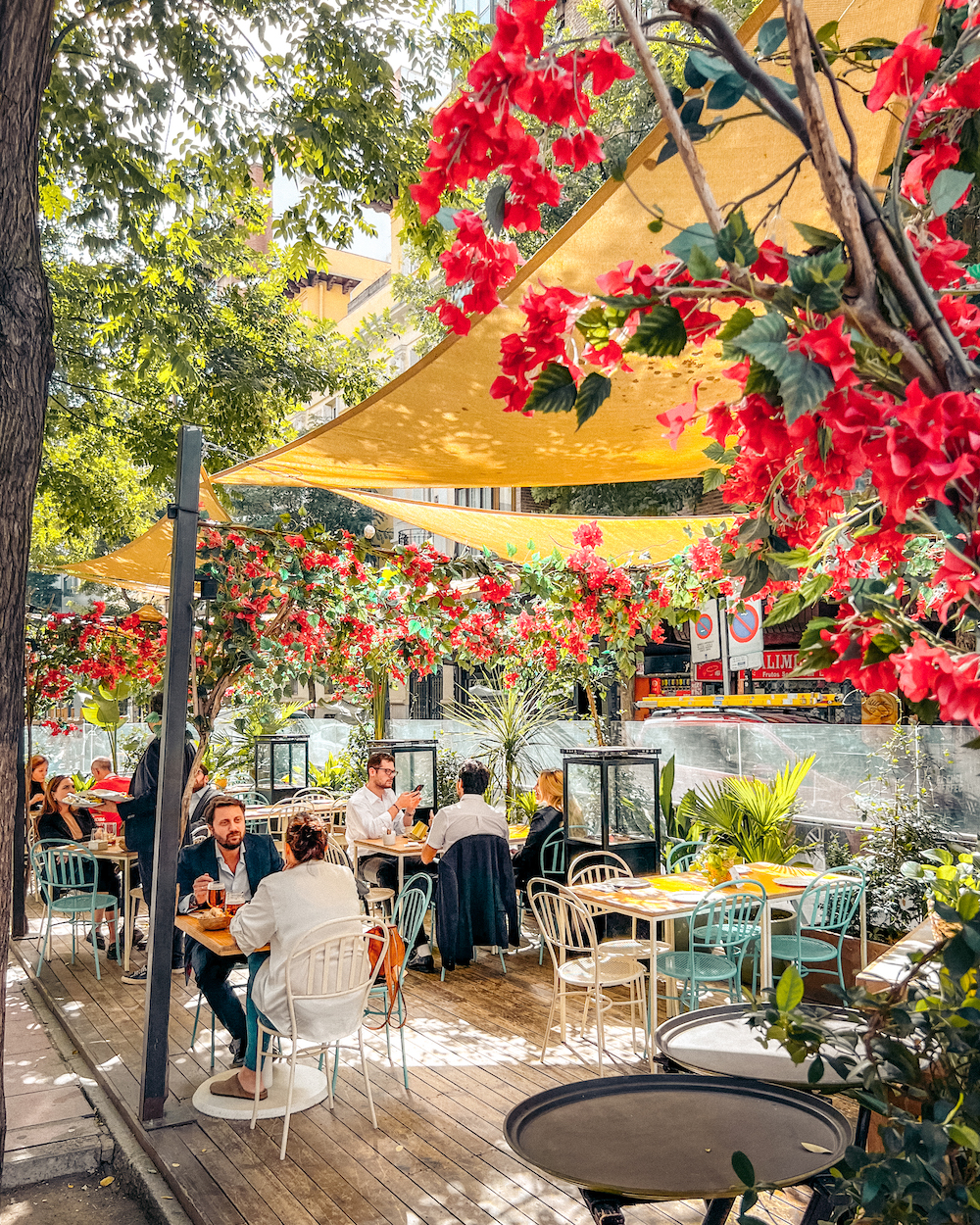
9. You can cycle through a completely different side of Madrid
When you think about Madrid, you probably picture grand boulevards, museums and busy plazas.
But there’s another side to the city and it’s a perfect side for cycling!
Madrid Río runs along the Manzanares River and has been transformed into a huge recreational space with walking and cycling routes.
Then there’s Casa de Campo, Madrid’s enormous green space and one of the best places to escape the city without actually leaving it.
You could hire a bike and spend a few hours exploring the parks before stopping for lunch or a drink. It’s a brilliant reminder that Madrid isn’t just a city for sightseeing. You can actually have an adventure there.
If you’re a little nervous about cycling then start with a bike tour. It’s a great way to see the city and a guided tour will help you get your bearings with riding in a busy city.
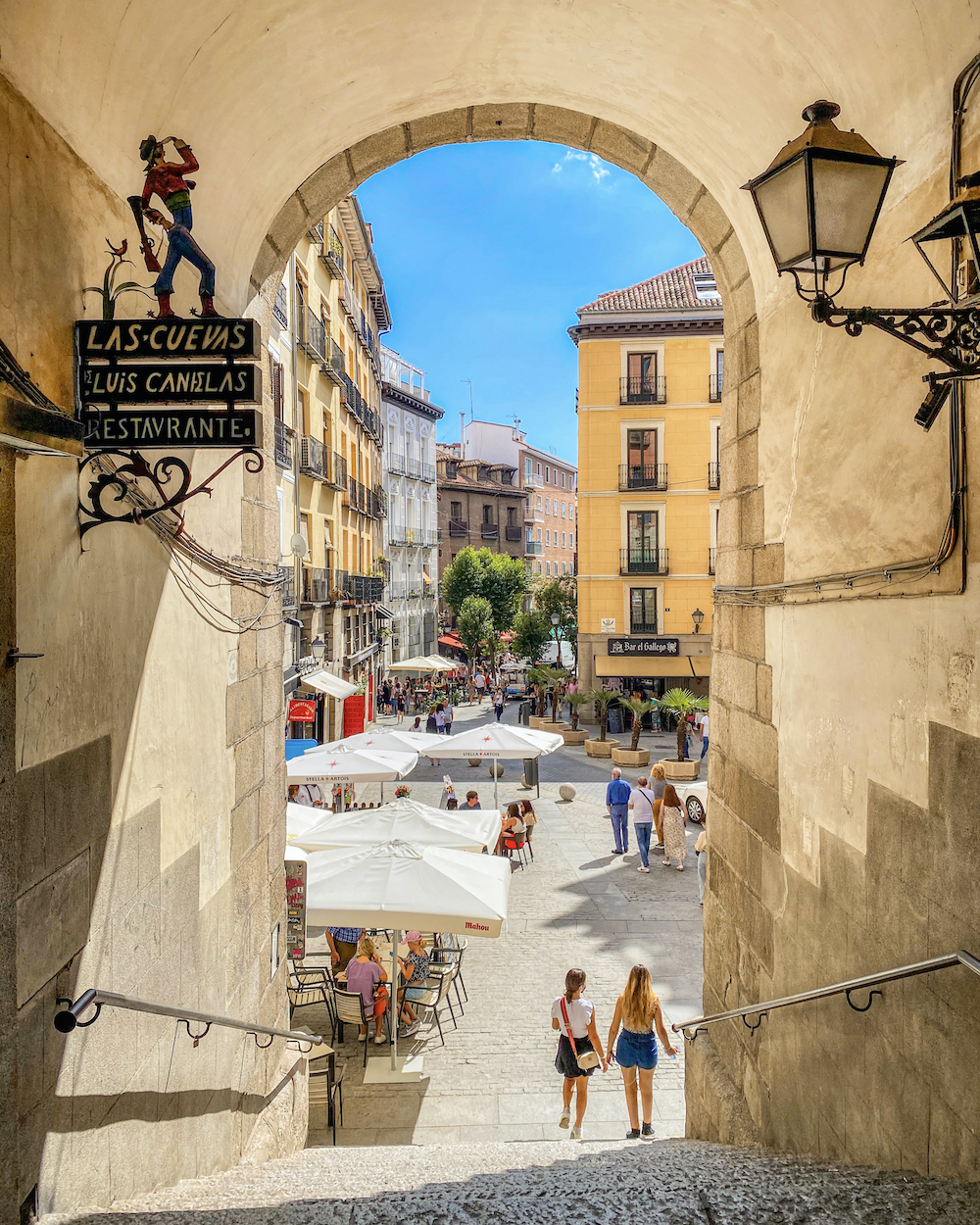
10. It’s a simple city to visit
It’s undeniable that there’s so much to see, do, eat, experience and admire in Madrid. But, actually, one of the best things about Madrid is that it’s logically simple to visit. There are plenty of flights with a range of airlines so it’s easy to visit whenever suits you. Flights are available from all over the UK so it’s also a great option for group trips when you’re all flying in from different airports.
There’s a simple shuttle from the airport to the city centre and hundreds of hotels to choose from to suit your budget.
Madrid’s public transport is brilliant and many of the main attractions are in the city centre so you can group them together and create an easy walking itinerary.
It’s a big city so there’s more than enough to keep you entertained for a week but it’s also a lovely spot for s short trip too!
11. Madrid is a city that makes you want to stay out late
This might be my favourite reason.
Madrid doesn’t feel like a city where everyone disappears home at 7pm.
Dinner happens late. Drinks happen late. Conversations happen late.
And there’s a wonderful sense that the evening is something to enjoy rather than something to rush through.
You can have tapas at 8pm, move onto a rooftop bar, wander through the illuminated streets of central Madrid and then find somewhere for churros before bed.
Or you can do what I would probably do and find a little terrace, order something you can’t pronounce properly and spend two hours chatting.
Because that’s what makes a great city break for me. It’s not just the famous building you saw or the museum you ticked off.It’s the feeling you get while you’re there.
And Madrid has a very good feeling!
Practical information for visiting Madrid in November:
How to get to Madrid: Madrid-Barajas Airport is the city’s main international airport and is connected to the centre by public transport. You can take an easy shuttle bus from the airport into the city centre.
How long do you need? I’d recommend at least three full days for Madrid. That gives you enough time to explore the main sights without turning the whole trip into one enormous sightseeing mission.
How to get around: Madrid is very walkable in the central areas and has an excellent public transport network, so you don’t need a car for a city break. I recommend using Google Maps to figure out how to get around using public transport. You can use contactless card payments for single rides on the metro and many buses.
Where to stay: For a first visit, I’d look at staying around Centro, Malasaña, Chueca, Barrio de las Letras or near the Prado. This gives you easy access to many of the main sights while also putting you close to restaurants and bars.
Is November a good time to visit Madrid? Absolutely. Autumn is my favourite time to explore Madrid, with comfortable weather, parks showing their autumn colours and a busy cultural calendar. It’s not too hot for sight-seeing but it’s warm enough to enjoy the parks and a drink or two at a rooftop bar.
What should you book in advance? I’d book your accommodation, popular museums, guided tours and any specific performances or events you want to attend before you go. For November 2026, some major events already have confirmed dates, so it’s worth checking the calendar before choosing your weekend.