If you’ve ever dreamed of watching penguins waddle across the snow while whales surface beside your ship, then Antarctica is probably already on your travel bucket list! Antarctica cruises are of those experiences that feel almost mythical. Remote, untouched and unlike anywhere else on Earth and an absolute bucket list holiday!
But planning a trip to Antarctica cruises isn’t quite as straightforward as booking a beach holiday or a city break. There are no hotels, no roads and no airports for tourists. For almost everyone, the only way to visit is on an Antarctica cruise that departs from South America.
If you’re wondering whether an Antarctic expedition is right for you, here’s everything you need to know before booking; from how much they cost to what you’ll actually experience once you’re there.
Why visit Antarctica?
There are plenty of incredible places in the world, but Antarctica offers something completely unique.
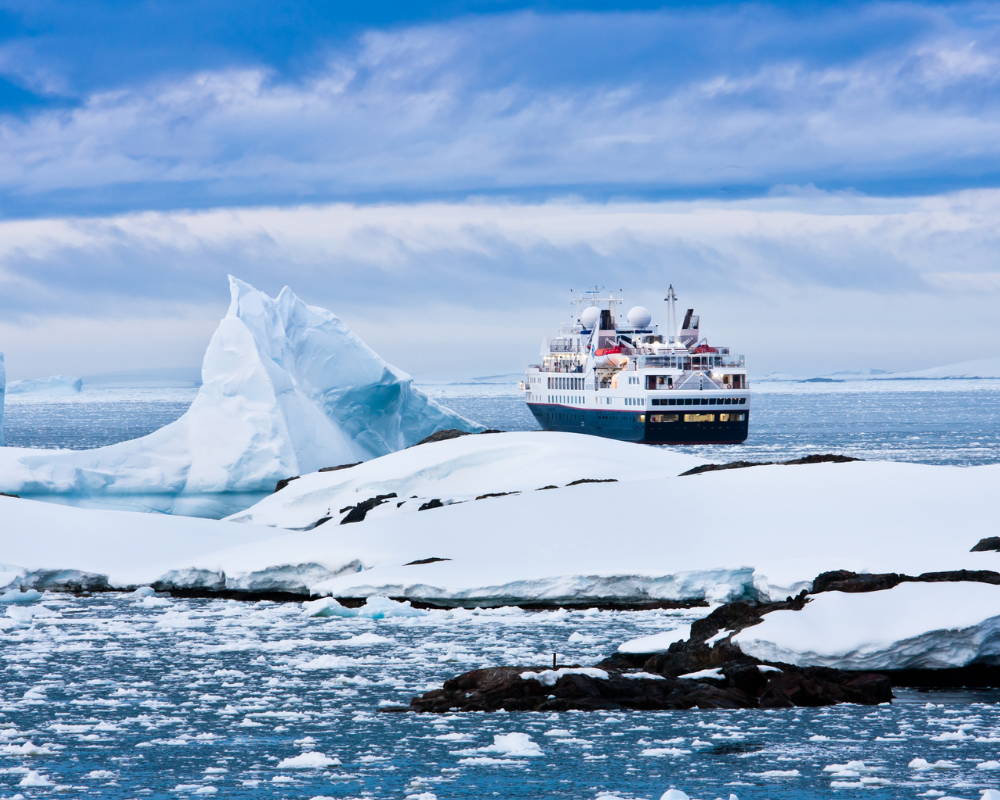
It’s the coldest, driest and windiest continent on Earth, yet it’s also one of the most beautiful. Towering glaciers, enormous icebergs and snow-covered mountains create landscapes that don’t look real. Add colonies of penguins, curious seals and breaching whales and it’s easy to understand why so many travellers describe Antarctica as the most unforgettable trip of their lives.
Unlike many popular destinations, Antarctica also feels wonderfully untouched. Visitor numbers are carefully managed to help protect the environment, so you’ll never find crowded attractions or busy resorts.
It’s a true expedition rather than a typical holiday.
How do you get to Antarctica?
Most travellers reach Antarctica by cruise ship.
The vast majority of Antarctica cruises depart from Ushuaia in Argentina, the southernmost city in the world. You’ll usually fly into Buenos Aires before taking a domestic flight to Ushuaia.
From there, ships cross the famous Drake Passage before reaching the Antarctic Peninsula around two days later.
Some luxury itineraries avoid the Drake Passage by flying directly to King George Island before boarding the ship, although these trips tend to be significantly more expensive.
What is the Drake Passage really like?
The Drake Passage has quite a reputation.
It’s the stretch of ocean between South America and Antarctica and is known for some of the roughest seas in the world.
Some travellers experience calm conditions, affectionately known as the “Drake Lake”. Others encounter huge waves during what’s nicknamed the “Drake Shake”.
There’s simply no guarantee what conditions you’ll get.
If you’re prone to seasickness, it’s worth preparing in advance with medication or motion sickness patches. Most expedition ships also provide helpful advice and remedies onboard. The good news is that even if the crossing is rough, most people agree it’s a small price to pay for reaching one of the world’s most extraordinary destinations.
When is the best time to visit Antarctica?
The Antarctic cruise season runs during the Southern Hemisphere summer, between November and March.
Each month offers something slightly different.
November: Fresh snow creates spectacular white landscapes and many penguins are beginning their nesting season. Icebergs are often at their most dramatic.
December: Long daylight hours make this one of the most popular months to visit. Penguin chicks begin hatching, and wildlife activity increases.
January: The warmest month of the Antarctic summer offers excellent wildlife viewing and the highest chance of seeing whales.
February: Whale sightings are often at their best, while penguin chicks become more adventurous as they begin exploring outside their colonies.
March: Late-season cruises offer beautiful sunsets, fewer visitors and fantastic whale watching opportunities.
There’s no single “best” time. It depends on whether you’re most excited by snowy scenery, penguins or whales.
What wildlife can you expect to see?
Wildlife is one of the biggest reasons people book Antarctica cruises.
Depending on when you visit, you may see:
- Gentoo penguins
- Adélie penguins
- Chinstrap penguins
- Humpback whales
- Minke whales
- Orcas
- Leopard seals
- Weddell seals
- Elephant seals
- Albatrosses
- Petrels
- Skuas
One of the most memorable things about Antarctica is that the animals have very little fear of humans.
Strict rules mean visitors must keep a respectful distance, but it’s not unusual for curious penguins to wander surprisingly close while you’re standing still.
What happens during an Antarctica cruise?
Despite the name, Antarctica cruises aren’t really about spending all day relaxing onboard.
They’re expedition cruises, which means the focus is on exploring.
A typical day might include:
- Morning Zodiac landing
- Guided walk with expedition staff
- Wildlife spotting
- Photography opportunities
- Educational talks onboard
- Afternoon Zodiac cruise through icebergs
- Evening recap with the expedition team
Every itinerary is flexible because weather and ice conditions change constantly.
Rather than sticking to a rigid schedule, the captain and expedition leaders adjust plans to make the most of conditions while keeping everyone safe.
This flexibility is actually one of the highlights of travelling in Antarctica.
How long are Antarctica cruises?
Most first-time visitors choose cruises lasting between 10 and 14 days.
These usually include:
- Flights to Argentina
- One or two nights in Ushuaia
- Two days crossing the Drake Passage each way
- Around four to six days exploring Antarctica
Longer expeditions may also include:
- South Georgia
- The Falkland Islands
- The Antarctic Circle
These longer itineraries can last three weeks or more but provide even more wildlife encounters and varied landscapes.
How much do Antarctica cruises cost?
Antarctica is undeniably expensive.
Prices vary depending on the ship, cabin type, itinerary and time of year, but as a rough guide you can expect:
- Budget expedition cruises: from around £5,000 per person
- Mid-range cruises: £8,000 to £12,000
- Luxury expedition cruises: £15,000 and upwards
Remember to factor in additional costs such as:
- International flights
- Domestic flights within Argentina
- Travel insurance
- Pre-cruise accommodation
- Tips
- Optional activities
- Cold-weather clothing if it isn’t provided
Some operators include parkas, waterproof boots and excursions in the cruise fare, while others charge extra.
What should you pack?
Packing for Antarctica is all about layers.
Temperatures aren’t always as cold as people expect, particularly during the summer months, but weather conditions can change quickly.
Essentials include:
- Thermal base layers
- Waterproof trousers
- Mid-layer fleece
- Warm hat
- Neck warmer
- Sunglasses
- Sunscreen
- Waterproof gloves
- Thick socks
- Camera
- Dry bag
Many Antarctica cruises provide waterproof boots and expedition jackets, so always check what’s included before buying expensive gear.
Do you need to be fit?
You don’t need to be an athlete to visit Antarctica.
Most passengers simply need reasonable mobility to step in and out of Zodiac boats and walk over uneven, snowy ground.
Some excursions involve gentle hikes, while others are little more than short walks from the landing site.
Many expedition companies offer different activity levels, allowing everyone to enjoy the experience at their own pace.
Is Antarctica environmentally responsible?
Protecting Antarctica is taken incredibly seriously.
Tourism is carefully regulated through strict environmental guidelines.
Visitors must:
- Clean boots before every landing
- Avoid leaving anything behind
- Never feed wildlife
- Maintain minimum distances from animals
- Stay within designated landing areas
Ships also carry fewer passengers ashore at one time to minimise environmental impact.
Choosing an operator that follows these regulations helps ensure Antarctica remains protected for future generations.
Is an Antarctica cruise worth it?
It’s one of the biggest travel investments many people will ever make, so it’s natural to wonder whether it’s really worth the cost.
For every single person I’ve spoken to who has visited Antarctica, the answer is a resounding yes.
Very few places on Earth still feel genuinely wild, but Antarctica does. Every landing is different, every iceberg is unique and every wildlife encounter feels completely unscripted.
It’s one of those trips that isn’t about ticking landmarks off a list. It’s about experiencing somewhere so remote and pristine that it completely changes your perspective on the natural world.
If you’re looking for luxury shopping, nightlife or poolside cocktails, Antarctica probably isn’t for you! But if you love wildlife, incredible scenery, photography and once-in-a-lifetime adventures, it’s difficult to imagine a destination that offers more.
Booking Antarctica cruises can feel overwhelming at first. There are dozens of operators, different itineraries, varying levels of luxury and a significant financial commitment.
The key is deciding what matters most to you. Whether that’s seeing whales, photographing penguins, crossing the Antarctic Circle or simply standing on the seventh continent for the first time.
Once you’re there, none of the planning seems to matter quite so much. You’ll be too busy watching icebergs drift silently past, spotting whales from the deck and wondering how somewhere so remote can feel so unforgettable.
If Antarctica has been sitting on your bucket list for years, perhaps this is the sign you’ve been waiting for.