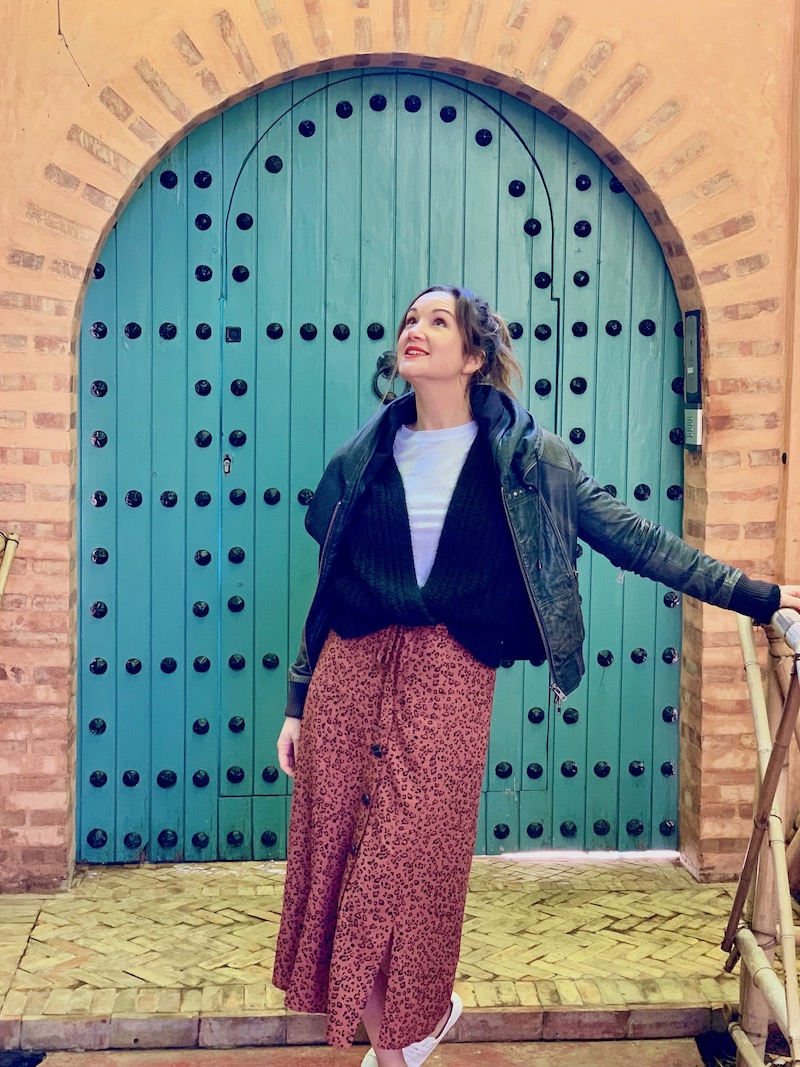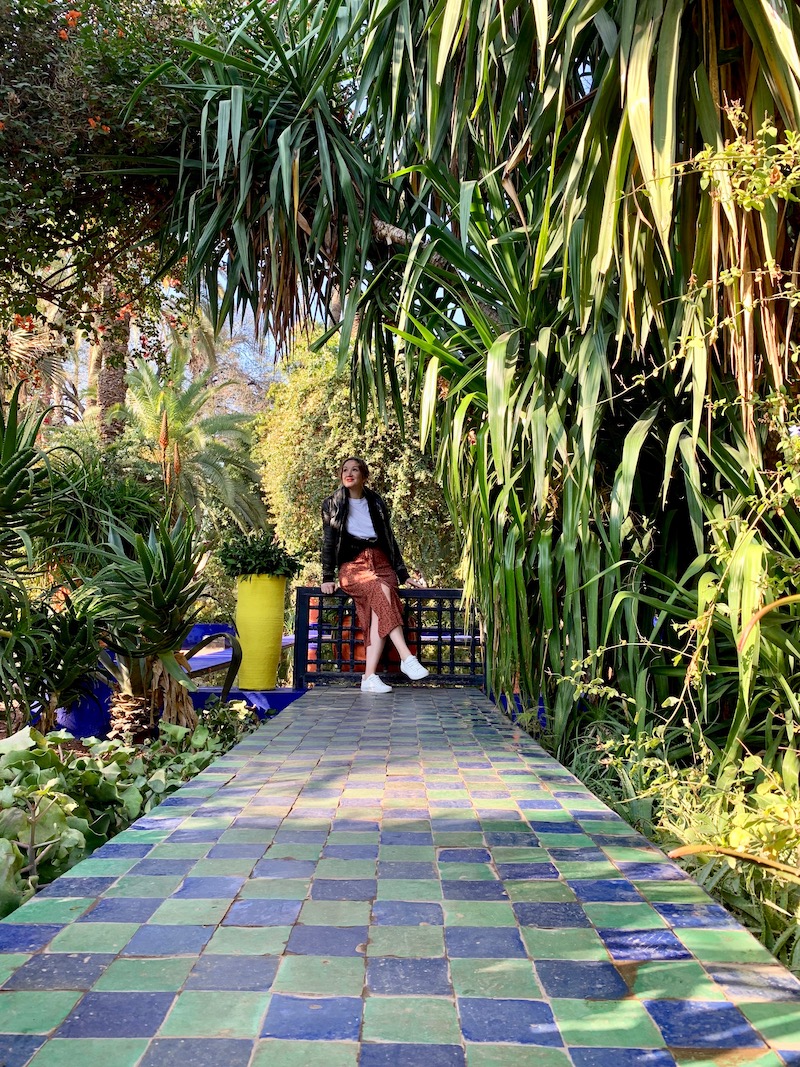
There are holidays where you spend a week barely moving from your sun lounger, and then there are holidays where every day feels like an adventure.
A Morocco road trip definitely falls into the second category.
You can start your trip wandering through the colourful souks of Marrakech, then drive through the dramatic Atlas Mountains, stop at ancient kasbahs, wind your way through deep gorges and eventually arrive in the Sahara Desert. It’s the kind of trip where the journey is every bit as exciting as the destination.
Hiring a car gives you much more freedom than sticking to organised tours or public transport. You can stop when you spot a spectacular viewpoint, spend longer in a tiny mountain village or pull over for that inevitable “I need a photo of this” moment.
If you’re planning a Morocco road trip, this is the route I’d recommend for a first visit.
Morocco Road Trip At A Glance
This itinerary takes around seven days, although I’d happily stretch it to 8-10 days if you have the time and budget!
The route is roughly:
Marrakech ? Aït Benhaddou ? Ouarzazate ? Dades Valley ? Merzouga ? Sahara Desert ? Marrakech
It’s a fairly ambitious itinerary, particularly because some of the driving days are long. But that’s part of the appeal. You’ll be driving through some of the most spectacular scenery in Morocco, so even the journeys become part of the adventure.
If you have more time, you could easily add a couple of nights in Essaouira or spend longer exploring the Atlas Mountains.
Day 1: Explore Marrakech
Start your Morocco road trip in Marrakech and, if possible, give yourself a full day here before getting behind the wheel.
Marrakech is one of those cities that can feel slightly overwhelming when you first arrive. There are motorbikes whizzing through tiny streets, colourful stalls piled high with spices and textiles, and a constant soundtrack of people chatting, bartering and calling out to passing customers.
And I absolutely love it.
Spend your first day exploring the Medina, getting slightly lost in the souks and making your way to Jemaa el-Fnaa square. This is the perfect place to experience the chaos and energy of Marrakech.
I’d also recommend booking a traditional Moroccan hammam. After travelling and sightseeing all day, a few hours of being thoroughly scrubbed, steamed and pampered is exactly what you need.
For dinner, look for a rooftop restaurant overlooking the Medina. Moroccan food is one of the highlights of the trip, so this is not the time to be counting calories.
You don’t really need your hire car while you’re in Marrakech, either. In fact, I’d avoid driving around the Medina altogether. Pick up your car rental Morocco when you’re ready to leave the city.
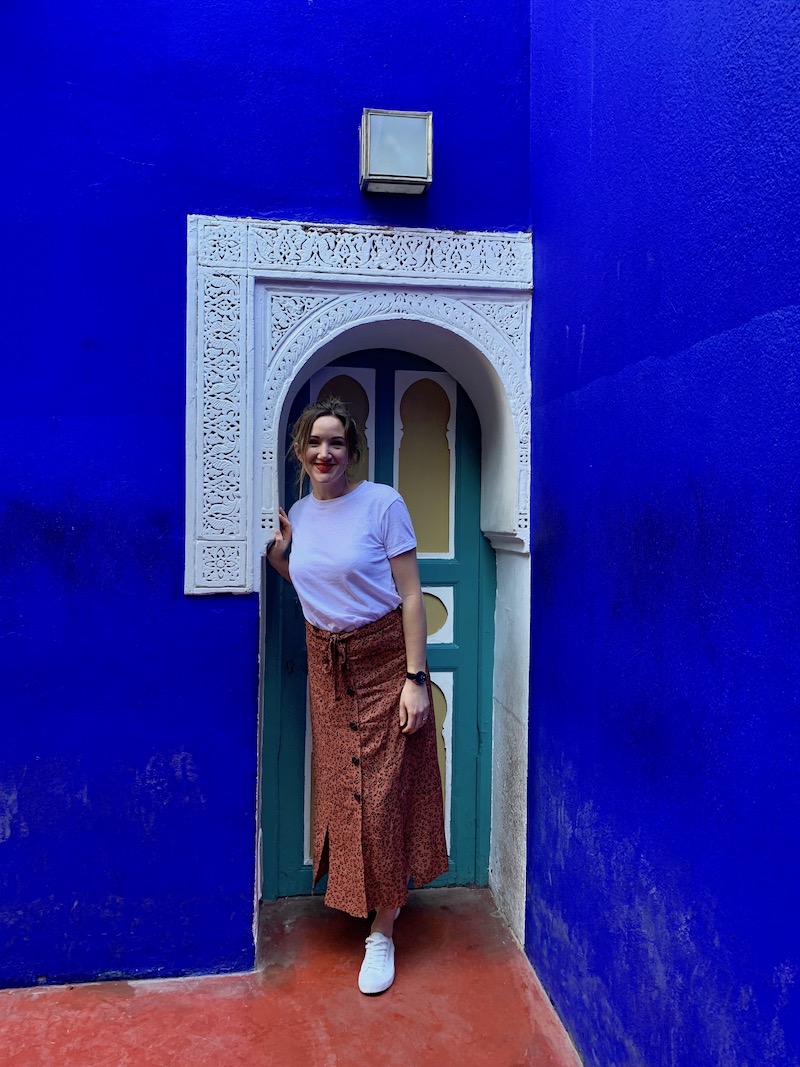
Day 2: Marrakech To Aït Benhaddou
This is where the road trip really begins.
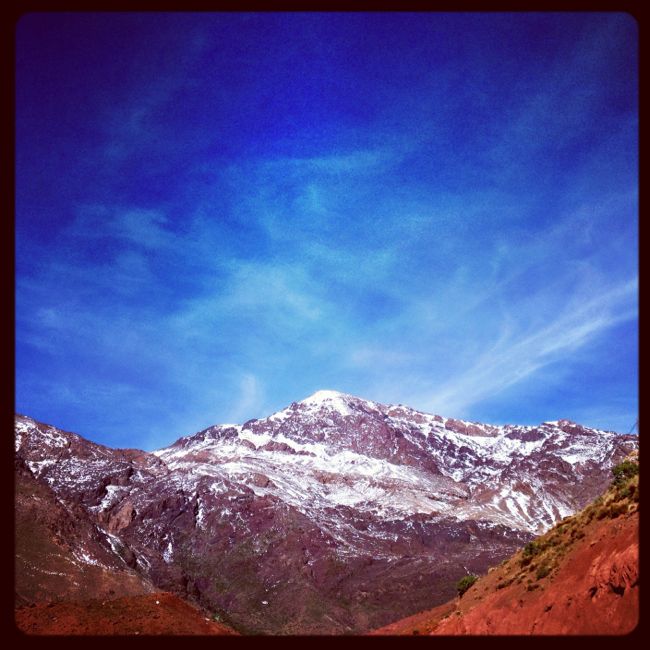
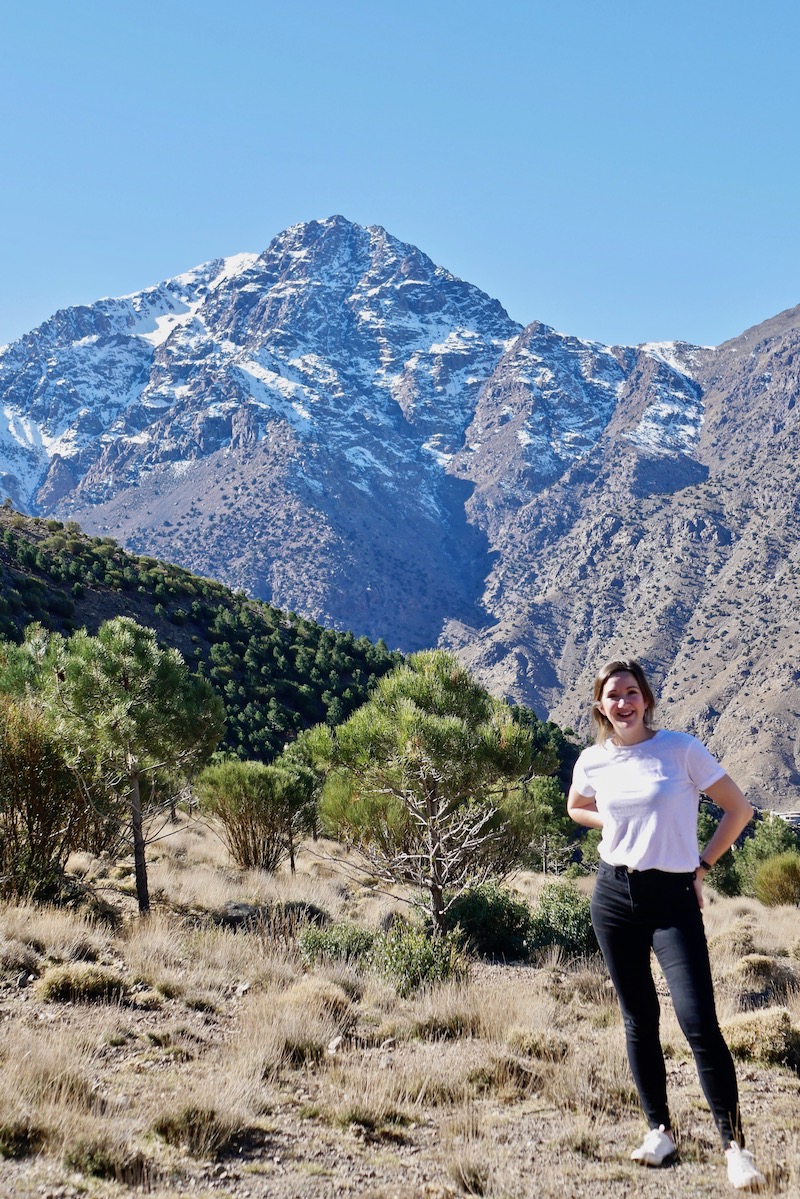
Leave Marrakech early and start heading towards the Atlas Mountains. The road climbs through increasingly dramatic scenery as you make your way towards the Tizi n’Tichka Pass.
This is one of those drives where you’ll want to stop constantly.
There are mountain viewpoints, tiny villages and winding roads with spectacular views across the landscape. Give yourself plenty of time because the journey isn’t just about getting from A to B.
Eventually you’ll reach Aït Benhaddou, one of Morocco’s most famous sights.
The ancient fortified village, or ksar, is made up of earthen buildings clustered together on the hillside. It looks almost like a film set, which makes sense because Aït Benhaddou has appeared in numerous films and TV shows.
Spend the afternoon exploring the narrow streets and climbing to the top for the views.
Stay nearby for the night so you don’t have to rush your visit.
Day 3: Aït Benhaddou To Ouarzazate And The Dades Valley
Wake up early and take your time exploring the area around Aït Benhaddou before continuing towards Ouarzazate.
Ouarzazate is sometimes known as the gateway to the Sahara and has a long connection with the film industry. If you’re interested in films, you can visit one of the area’s film studios.
From here, continue towards the Dades Valley.
The landscape becomes increasingly spectacular as you travel through the Valley of the Roses and towards the Dades Gorge. The scenery changes constantly, from rocky mountains to lush green valleys and dramatic red cliffs. This is another reason I love having a hire car in Morocco. You can take your time and stop whenever something catches your eye.
Spend the night in the Dades Valley, ideally somewhere with views across the mountains.
Day 4: Dades Valley To Merzouga And The Sahara
Today is the day you’ve probably been waiting for. You’ll be heading towards Merzouga, the gateway to the Sahara Desert.
Before you get there, make a stop at Todra Gorge. The enormous canyon has towering limestone cliffs on either side and is particularly impressive when you’re standing at the bottom looking up.
Then it’s back on the road towards Merzouga. The landscape gradually becomes more desert-like and you’ll start to see the enormous sand dunes appearing in the distance.
This is where I’d recommend arranging your desert camp in advance. Many camps include transport from a meeting point near Merzouga, so you’ll usually leave your hire car safely parked and continue into the desert with the camp operator.
Arriving at a desert camp as the sun is beginning to set is one of those travel moments that genuinely feels surreal. You’ll have dinner beneath the stars, listen to traditional music and hopefully spend some time outside looking up at the night sky.
This will undoubtedly be the highlight of your trip!
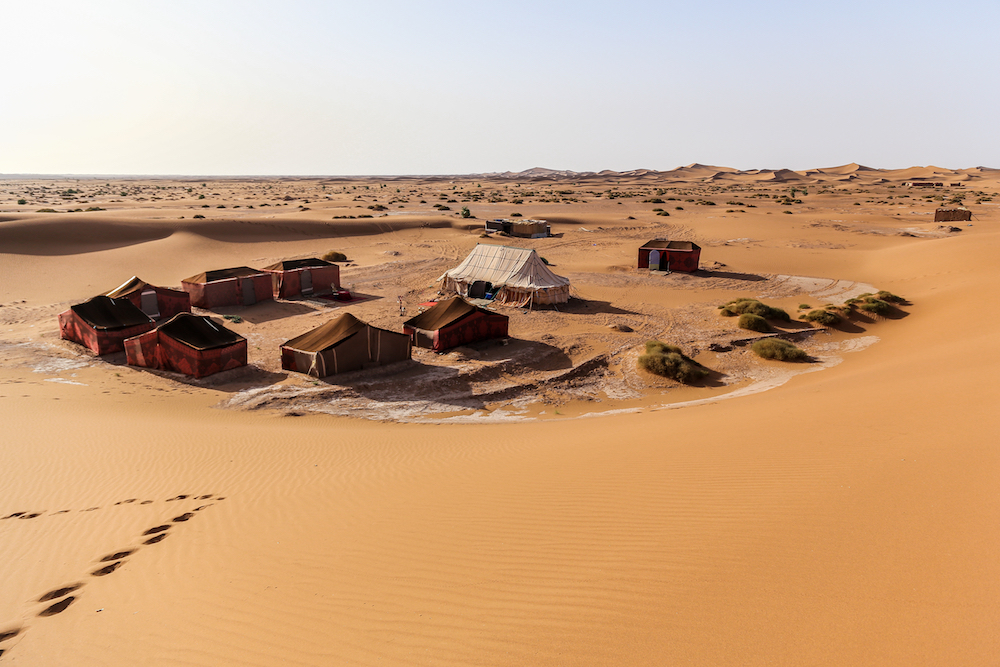
Day 5: Experience The Sahara
Watching the sun come up over the Sahara dunes is one of those experiences that makes getting up ridiculously early feel completely worthwhile.
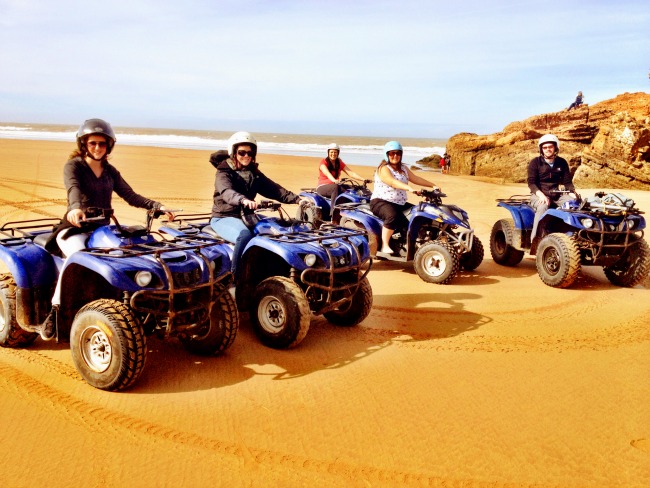
Depending on your camp, you might have the option to go camel trekking, try sandboarding or take a 4×4 trip into the desert. I’d also leave some time to simply do nothing.
It’s tempting to fill every minute of a trip like this, but the Sahara is somewhere you should slow down and take in your surroundings. Sit on a dune, drink some mint tea and enjoy the fact that you’re sitting in the middle of the desert.
Spend another night in the area or return to Merzouga if you’d prefer a hotel.
Day 6: Merzouga To Marrakech
And now for the big drive.
The journey from Merzouga back to Marrakech is long, so I’d set off early and treat this as part of the adventure rather than something you need to endure.
You’ll be retracing some of the landscapes you’ve already seen, but the scenery looks completely different in the opposite direction. If your schedule allows, this is the point where I’d recommend adding an extra night somewhere along the route rather than trying to do the whole journey in one go.
Day 7: One Last Day In Marrakech
Give yourself a final day in Marrakech before flying home.
You could spend the morning exploring somewhere you missed on your first visit, book another hammam or simply find a beautiful café and watch the world go by. My choice would be a hammam so you can go home feeling properly relaxed and refreshed.
This is also your opportunity for some last-minute shopping. Morocco is a dream for anyone who loves colourful homeware, textiles, baskets, ceramics and handmade products. Just remember that you’re going to have to get everything home again!
Why Hire A Car For A Morocco Road Trip?
You can absolutely travel around Morocco without hiring a car. There are trains, buses, taxis and organised tours, and these can work brilliantly if you’re sticking to major cities.
But for a road trip like this, having your own car gives you a huge amount of freedom.
You’re not tied to a tour group’s schedule and you don’t have to wait for public transport. You can choose your own stops, take scenic detours and change your plans when you feel like it.
It can also work out surprisingly well for groups. If you’re travelling with friends or family, splitting the cost of a rental car can make having your own transport much more affordable.
Is Driving In Morocco Difficult?
This is probably the question that makes people hesitate before booking a Morocco road trip. Driving in Morocco isn’t necessarily difficult, but it can be very different from driving in the UK.
The main roads between cities are generally straightforward, while mountain roads can be winding and slower than you might expect. Around busy cities, traffic can feel chaotic, particularly when you’re sharing the road with motorbikes, pedestrians and other vehicles.
Google Maps or another reliable navigation app is useful and I’d also download maps for offline use before setting off.
And remember that Moroccan roads are not always as fast as the distances on a map might suggest. Allow extra time, particularly when driving through the mountains.
How To Choose A Rental Car
You don’t need a huge car for this trip.
I’d prioritise something reliable, comfortable and easy to drive. If you’re travelling with several people and luggage, make sure there’s genuinely enough boot space because suitcases take up more room than you think.
I’d also check exactly what’s included in the rental price before booking, including insurance, mileage limits, additional drivers and the fuel policy.
It’s worth comparing several options rather than automatically choosing the cheapest car.
A few extra pounds can be worth it for a newer vehicle, better insurance cover or more generous terms.
What To Pack For A Morocco Road Trip

The great thing about this itinerary is that you’ll experience several very different climates. Marrakech can be hot and sunny, while evenings in the mountains and desert can be surprisingly cold.
I’d pack layers rather than relying entirely on summer clothes. You’ll want lightweight clothing for the warmer days, a jumper or jacket for evenings and comfortable shoes for walking. A scarf is also incredibly useful. It can protect you from the sun, keep you warm in the evening and come in handy in the desert when it’s windy.
Don’t forget sunglasses, sunscreen, a reusable water bottle and a portable charger. And leave a little extra space in your suitcase for all the things you’ll inevitably buy in the souks.
I’ve got a full blog post with a Morocco packing list + what to wear in Marrakech.
How Much Does A Morocco Road Trip Cost?
The cost of a Morocco road trip can vary enormously depending on your accommodation and how much you want to spend on experiences. You can travel relatively affordably by staying in simple riads and guesthouses, eating locally and choosing a basic rental car.
Or you can make it much more luxurious with beautiful boutique riads, high-end desert camps and incredible restaurants.
One of the things I love about Morocco is that you don’t need an enormous budget to make the trip feel special. A beautiful riad can be surprisingly affordable compared with a similar standard of accommodation in many European cities, and eating out can be very good value too.
Can You Do This Morocco Road Trip Without A Car?
Yes, but it would look slightly different. You could book organised tours from Marrakech, take buses between major destinations or arrange private transfers. The advantage of doing this is that you don’t have to worry about driving, navigation or parking.
The disadvantage is that you lose some of the freedom that makes a road trip so much fun. For me, that’s the biggest reason to hire a car. Morocco is a country where the landscape is a huge part of the experience, and having your own transport means you can actually stop and enjoy it.
A Morocco road trip is the kind of holiday that gives you a little bit of everything. You’ve got the colour and chaos of Marrakech, the drama of the Atlas Mountains, ancient kasbahs, winding mountain roads, spectacular gorges and finally the vastness of the Sahara.
It’s adventurous without needing to be hardcore, and you can make it as luxurious or budget-friendly as you like.
Most importantly, don’t be tempted to make the itinerary too rigid. Leave time for the unexpected. Stop for the view. Have the extra coffee. Take the wrong turn occasionally. Because the best part of a Morocco road trip isn’t simply reaching the Sahara, it’s everything you see along the way.